Pendle Witch Trial
Introduction to the case of the Pendle Witch Trials
The Pendle Witch trial is one of the most notorious witch trials in English history. Beginning in the early 17th century, it was a time of political instability, religious tension and economic transformation, these factors made England a fertile breeding ground for chaos to unfold. The Pendle trials, took place in Lancaster, a county ‘fabled for its theft, violence and sexual laxity, where the church was honoured without much understanding of its doctrines by the common people’. The Pendle witch trials hold the highest death count for a single witch trial in England. Involving the King, down to the common people, this trial shook Pendle from the ground up.
What Happened
The Pendle Witch trial is ‘one of the most meticulously documented witch trials in English history’. It commenced when Alizon Device asked a pedlar, John Law, for some pins on 21st March 1612. Upon refusing her request, Alizon cursed John. A short while after, John suffered from a stroke which modern day medics say was caused by his blood pressure spiking due to the stress from his earlier encounter. This ‘could happen today as a result of road rage or an argument’. In the fragile world of 1612, this encounter sparked the beginning of the Pendle witch trial, which subsequently led to the death of 11 people.
This trial was bought in front of local Justice Roger Nowell. As a result of numerous factors including, but not limited to: family rivalries, religious differences, intimidation, torture, unjust judicial procedures, a mass trial manifested in Pendle.
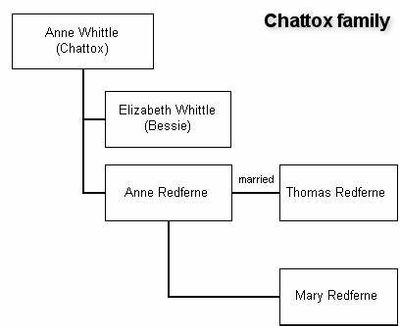
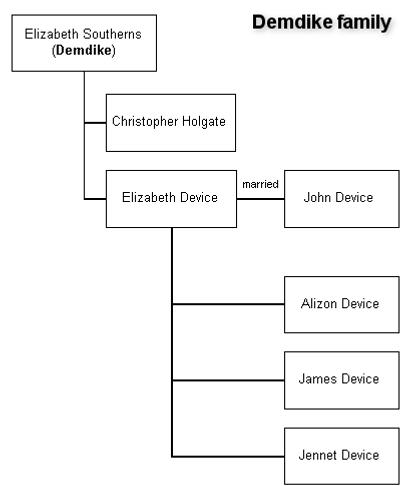
In Pendle, the accused were primarily made up of two families, both headed by local cunning women by the names Old Demdike and Old Chattox. This was of no coincidence, as the two families had previous grievances in which Old Chattox was blamed for the death Alizon Device’s father, John Device. This case is a prime example of how family feuds could lead to major witch trials. At this point in time, the accused were: Alizon Device, Elizabeth Device, James Device, Demdike, Chattox and Anne Redfearne.
'She was a very old woman, about the age of Foure-score yeares, and had
been a Witch for fiftie yeares. Shee dwelt in the Forrest of Pendle, a vast
place, fitte for her profession: What shee committed in her time, no man
knows. . . . Shee was a generall agent for the Devill in all these partes: no
man escaped her, or her Furies.'
-Quote from Wonderfull Discoverie by Thomas Potts describing Old Chattox
On 10th April 1612, Elizabeth Device hosted a meeting with friends at the house of Old Demdike- James Device had even stolen a neighbour’s sheep to feed the guests for the occasion. Word of this meeting reached magistrates Roger Nowell and Nicholas Bannister. After an interrogation into the meaning of the meeting, eight more people were accused of witchcraft and were up for trial.
The list of accused had now transpired into the following:
- Elizabeth Southerns
- Elizabeth Device
- Alison Device
- James Device
- Anne Whittle
- Anne Redfern
- Jane Bulcock
- John Bulcock
- Alice Grey
- Katherine Hewitt
- Alice Nutter
- Jennet Preston
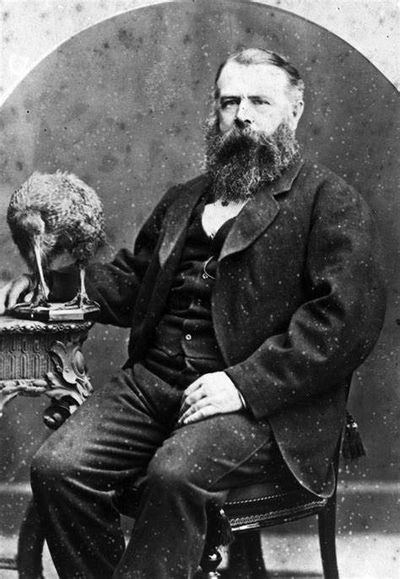
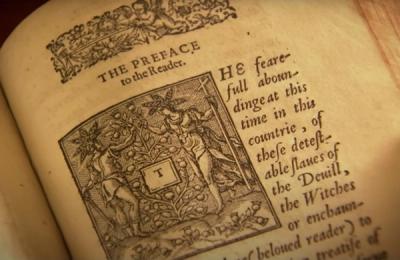
An overwhelming majority of the evidence from these trials is from the reflective accounts written by Thomas Potts in the ‘The Wonderfull Discoverie of Witches In The Countie of Lancaster’. These accounts are one of the most informative pieces of literature ever written about witchcraft, as they tell not only a meticulously detailed account of the case, but also show a detailed observation of religious, legal, and social context surrounding the trial.
‘his head is drawn awry, his eyes and face deformed, his speech not well to be understood, his arms lame, especially the left side’
- Quote from Wonderfull Discoverie by Thomas Potts describing John Law after he suffered a stroke
Dynastic Context
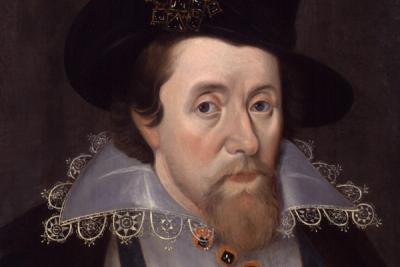
Due to King James I’s upbringing in presbyterian Scotland, he was a strong believer in witchcraft. King James I was extremely fearful of the threat that witchcraft posed on the monarchy and Christianity itself. This can be seen in his publication of ‘Daemonologie’. Within this work, he writes about how to identify and how to punish those who followed the teachings of the devil. King James I also instilled his views on the political stance in England. His work influenced legal processes, and his writings were used as guidance in court. During his rule, laws were passed which punished and undermined Catholics across Britain such as, The Witchcraft Act of 1604. This Act also influenced the Pendle Witch trials in the following ways:
- People found guilty of witchcraft would be sentenced to death
- Spectral evidence was acceptable in court
- Those accused had to prove their own innocence
- Witnesses of any background/age would be accepted
King James I's personal conviction regarding witchcraft significantly elevated the importance of the trials. His active involvement and endorsement of the punishment of those accused of witchcraft, acted as legitimatisation for those involved in the legal process at the time.
1. ‘Satan first insinuates himself ‘either by a voice, or in a likeness of a man’ when they are alone.’
2. ‘At the second meeting he concludes the pact and places ‘his marke upon some secreit place of their bodie’
3. ‘At the third meeting he begins to satisfy their needs.’
- From Daemonologie written by James I describing how Satan overwhelms his victims
Religious Context
From a religious standpoint, the Pendle trials in particular created panic throughout society in 1612. There were heavy links between those tried at Pendle and the Devil. There are many mentions of ‘familiars’ and even meetings with the Devil himself. This also had heavy links to the demonisation of Catholic people through the ideology of King James I. It was even speculated that one of the accused at Pendle, Alice Nutter, was not at Malkin Tower, but was unable to oppose this as Alice had been in attendance at an illegal Catholic gathering which may have condemned her further.
It is believed that the cases in Pendle were demonised as it was an area that did not take to the new enforced religious ways instilled upon society by King James I. Many of those in Pendle still strongly believed in Catholicism, which among the general population, was seen as an act of those in support of the devil. When witchcraft was connected to the devil, mass hysteria rippled through society. The fear surrounding the Devil’s link to the women in Pendle manifested into an outbreak of accusations. Religion is a catalysing factor in witch hunts throughout history, and even in modern day.
Legal Context
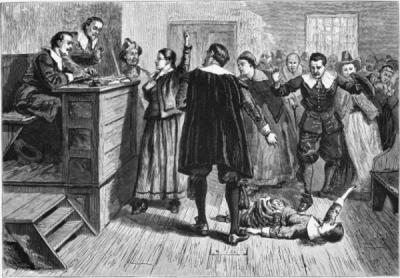
The case of Pendle differentiated to other cases as it was the ‘first time an English jury heard sworn evidence, including four confessions of pacts made with the Devil and of witches’. Those trialled for witchcraft in 1612 were not allowed any legal counsel or witnesses to aid with their cases. Due to the way the legal system worked regarding witch trials, most accusations were based on gossip, false claims and family feuds. This proves that the flawed judicial process was one of the key factors that led to the massacre of innocent people, in not only Lancaster but the whole of England. The case of the Lancaster Witches in particular ‘demonstrated the power of local beliefs in charms and traditional magic and the influence of Continental ideas.’
Pendle now...
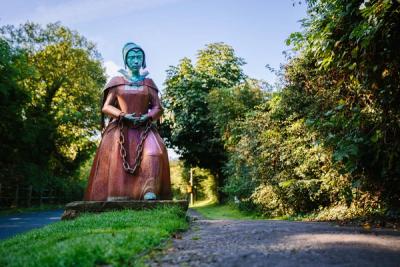
The Pendle Witch trials has developed into a form of disaster tourism; local businesses thrive off tourists coming and purchasing their merchandise which can be anything from a key ring, to a locally made pint of ‘Pendle Witches Brew’. Local walking tours guide tourists around the key sites relating to the cases.
Photo Credits
- Image 1 - https://www.visitlancashire.com/things-to-do/pendle-hill-p43380
- Image 2 - https://earlycanterbury.blogspot.com/2020/02/thomas-henry-potts.html
- Image 3&4 - https://ghostinuk.blogspot.com/
- Image 5 - https://www.nms.ac.uk/explore-our-collections/stories/scottish-history-and-archaeology/james-vi-and-i/
- Image 6 - (clipped from) https://www.youtube.com/watch?v=eQrva6RAkak
- Image 7 - https://www.historyhit.com/what-were-the-pendle-witch-trials/
- Image 8 - https://www.dpstudio.co.uk/case-studies-blog//pendle-witch-sculpture-alice-nutter
Timeline
1612-03-21
Alizon Device curses John Law
1612-03-30
Alizon Device, Elizabeth Device and James Device were called to appear infront of Roger Nowell
1612-04-02
Demdike, Chattox, and Chattox's daughter Anne Redferne, were summoned to appear before Nowell.
1612-04-10
Meet at Malkin Tower
1612-04-27
Magistrates Nowell and Bannister investigated activities and attendees at Malkin Tower
1612-07-27
York Assizes commenced
1612-07-27
Jennet Preston - Judges Bromley and Altham charged Preston with murder by means of witchcraft of Thomas Lister by using the surplus of information provided by Jennet Device. Although Preston pleaded not guilty, she was charged with death by hanging.
1612-07
Elizabeth Southerns dies whilst awaiting trial
1612-07-29
Jennet Preston hung
1612-08-18
Lancaster Assizes
1612-08-18
Anne Whittle (Old Chattox) - charged with the murder of Robert Nutter, made a confession, most likely under torture. A great amount of evidence was supplied by James Robinson who had previously lived with the Chattox family.
1612-08-18
Elizabeth Device – charged and found guilty of the murders of John & James Robinson and Henry Mitton. A plethora of ‘evidence’ was given against her by her own children, Jennet and James Device about her having a familiar and creating clay figures of her victims.
1612-08-18
James Device – accused and charged with the murders of Anne Townley and John Duckworth. Again, most of the evidence was supplied by Jennet Device, including that he had a familiar. This evidence alongside his own confession led to his demise.
1612-08-19
Anne Redfearne - Anne was charged with the murder of Robert Nutter, but she was acquitted due to insufficient evidence. However, in her second trial of the day, with evidence given by Old Demdike, she was found guilty of the murder of Christopher Nutter, Robert Nutter’s father and charged with murder.
1612-08-19
Jane Bulcock and John Bulcock were trialled for the murder of Jennet Deane and found guilty after evidence supplied, again, by Jennet Device that they were at Malkin Tower
1612-08-19
Alice Nutter – accused of the murder of Henry Mitton alongside Old Demdike and Elizabeth Device. Evidence supplied by James and Jennet became her downfall and she was found guilty of murder.
1612-08-19
Katherine Hewitt – accused and charged with the murder of Anne Foulds after evidence given by James and Jennet Device
1612-08-19
Alice Grey – although no account of this particular case was in the Wonderfull Discoverie, she was also found guilty of the murder of Anne Foulds
1612-08-19
Alizon Device – confessed to causing John Law harm by use of witchcraft. The event that started the Pendle witch trials
1612-08-20
All those found guilty were hung at Gallows Hill
{"_createdAt":"2024-05-02T15:28:49Z","_id":"af0b8a57-455b-4602-9519-7eedf75c46e6","_rev":"nP8DlWBwaQIgJ0GakzoHhL","_type":"casePage","_updatedAt":"2024-05-03T17:41:11Z","caseSections":[{"_createdAt":"2024-05-02T15:49:23Z","_id":"2db63eb8-4fc8-4aab-80ff-3d891aa8c237","_rev":"3KmvVO6rvpB77a0YXA6ehI","_type":"caseSection","_updatedAt":"2024-05-03T20:53:48Z","body":[{"_key":"5fea13cecc17","_type":"block","children":[{"_key":"14a4ab00daa00","_type":"span","marks":[],"text":"The Pendle Witch trial is one of the most notorious witch trials in English history. Beginning in the early 17th century, it was a time of political instability, religious tension and economic transformation, these factors made England a fertile breeding ground for chaos to unfold. The Pendle trials, took place in Lancaster, a county ‘fabled for its theft, violence and sexual laxity, where the church was honoured without much understanding of its doctrines by the common people’. The Pendle witch trials hold the highest death count for a single witch trial in England. Involving the King, down to the common people, this trial shook Pendle from the ground up."}],"markDefs":[],"style":"normal"}],"images":[{"_key":"7bf6fb004a02","_type":"image","asset":{"_ref":"image-e177730751bb40bf1336d9c0e775606587080d27-1220x713-jpg","_type":"reference"}}],"sideInfoBoxes":null,"title":"Introduction to the case of the Pendle Witch Trials"},{"_createdAt":"2024-05-02T15:49:40Z","_id":"88bb32ce-4800-4232-bb74-208d3d0040d1","_rev":"zpBC6cqV9j5DiVVSU8dOwq","_type":"caseSection","_updatedAt":"2024-05-03T08:45:37Z","body":[{"_key":"6a45cbb21f1b","_type":"block","children":[{"_key":"2ce78931a8590","_type":"span","marks":[],"text":"The Pendle Witch trial is ‘one of the most meticulously documented witch trials in English history’. It commenced when Alizon Device asked a pedlar, John Law, for some pins on 21st March 1612. Upon refusing her request, Alizon cursed John. A short while after, John suffered from a stroke which modern day medics say was caused by his blood pressure spiking due to the stress from his earlier encounter. This ‘could happen today as a result of road rage or an argument’. In the fragile world of 1612, this encounter sparked the beginning of the Pendle witch trial, which subsequently led to the death of 11 people. "}],"markDefs":[],"style":"normal"},{"_key":"698f838bb0bc","_type":"block","children":[{"_key":"daeeb7c861210","_type":"span","marks":[],"text":""}],"markDefs":[],"style":"normal"},{"_key":"244959b1fd79","_type":"block","children":[{"_key":"be0846a09dc80","_type":"span","marks":[],"text":"This trial was bought in front of local Justice Roger Nowell. As a result of numerous factors including, but not limited to: family rivalries, religious differences, intimidation, torture, unjust judicial procedures, a mass trial manifested in Pendle."}],"markDefs":[],"style":"normal"},{"_key":"7ea67e07c32c","_type":"block","children":[{"_key":"7a64393dab830","_type":"span","marks":[],"text":"In Pendle, the accused were primarily made up of two families, both headed by local cunning women by the names Old Demdike and Old Chattox. This was of no coincidence, as the two families had previous grievances in which Old Chattox was blamed for the death Alizon Device’s father, John Device. This case is a prime example of how family feuds could lead to major witch trials. At this point in time, the accused were: Alizon Device, Elizabeth Device, James Device, Demdike, Chattox and Anne Redfearne."}],"markDefs":[],"style":"normal"},{"_key":"3422f6f4226e","_type":"block","children":[{"_key":"c34f4c0189620","_type":"span","marks":[],"text":"'"},{"_key":"67103585afbb","_type":"span","marks":["code","em"],"text":"She was a very old woman, about the age of Foure-score yeares, and had"}],"markDefs":[],"style":"normal"},{"_key":"1f0f73423a3d","_type":"block","children":[{"_key":"1d03ec0090db0","_type":"span","marks":["code","em"],"text":"been a Witch for fiftie yeares. Shee dwelt in the Forrest of Pendle, a vast"}],"markDefs":[],"style":"normal"},{"_key":"20a20a01672c","_type":"block","children":[{"_key":"8bb7df3bd0180","_type":"span","marks":["code","em"],"text":"place, fitte for her profession: What shee committed in her time, no man"}],"markDefs":[],"style":"normal"},{"_key":"a6236cc162dd","_type":"block","children":[{"_key":"eabe5cf8ea4c0","_type":"span","marks":["code","em"],"text":"knows. . . . Shee was a generall agent for the Devill in all these partes: no"}],"markDefs":[],"style":"normal"},{"_key":"37d7abe957f3","_type":"block","children":[{"_key":"005b1bbfaba10","_type":"span","marks":["code","em"],"text":"man escaped her, or her Furies.'"}],"markDefs":[],"style":"normal"},{"_key":"de85fedfa0ff","_type":"block","children":[{"_key":"2f9a108c5c080","_type":"span","marks":[],"text":" -Quote from "},{"_key":"e30868dc2a9e","_type":"span","marks":["em"],"text":"Wonderfull Discoverie"},{"_key":"280f4f37e850","_type":"span","marks":[],"text":" by Thomas Potts describing Old Chattox"}],"markDefs":[],"style":"normal"},{"_key":"3bada7a3fa9e","_type":"block","children":[{"_key":"1975bf0b2f0e","_type":"span","marks":[],"text":""}],"markDefs":[],"style":"normal"},{"_key":"7a104cfe1655","_type":"block","children":[{"_key":"ee310c3a05a20","_type":"span","marks":[],"text":"On 10th April 1612, Elizabeth Device hosted a meeting with friends at the house of Old Demdike- James Device had even stolen a neighbour’s sheep to feed the guests for the occasion. Word of this meeting reached magistrates Roger Nowell and Nicholas Bannister. After an interrogation into the meaning of the meeting, eight more people were accused of witchcraft and were up for trial. "}],"markDefs":[],"style":"normal"},{"_key":"44cbb5969f92","_type":"block","children":[{"_key":"6491c77d76c90","_type":"span","marks":[],"text":"The list of accused had now transpired into the following:"}],"markDefs":[],"style":"normal"},{"_key":"260760e700e8","_type":"block","children":[{"_key":"b2bbd41fd8750","_type":"span","marks":[],"text":"Elizabeth Southerns"}],"level":1,"listItem":"bullet","markDefs":[],"style":"normal"},{"_key":"811610b33ad9","_type":"block","children":[{"_key":"7634d99981860","_type":"span","marks":[],"text":"Elizabeth Device"}],"level":1,"listItem":"bullet","markDefs":[],"style":"normal"},{"_key":"b82aa1cdf3b7","_type":"block","children":[{"_key":"37a784dfcbbf0","_type":"span","marks":[],"text":"Alison Device"}],"level":1,"listItem":"bullet","markDefs":[],"style":"normal"},{"_key":"16f010eaca54","_type":"block","children":[{"_key":"2cec3131925f0","_type":"span","marks":[],"text":"James Device"}],"level":1,"listItem":"bullet","markDefs":[],"style":"normal"},{"_key":"3d46a87f4e1b","_type":"block","children":[{"_key":"5de84e22e54c0","_type":"span","marks":[],"text":"Anne Whittle"}],"level":1,"listItem":"bullet","markDefs":[],"style":"normal"},{"_key":"2d68b67e8c55","_type":"block","children":[{"_key":"70c26efabb640","_type":"span","marks":[],"text":"Anne Redfern"}],"level":1,"listItem":"bullet","markDefs":[],"style":"normal"},{"_key":"1428d2cfeed4","_type":"block","children":[{"_key":"a3bc621ed4b70","_type":"span","marks":[],"text":"Jane Bulcock"}],"level":1,"listItem":"bullet","markDefs":[],"style":"normal"},{"_key":"abb83160862d","_type":"block","children":[{"_key":"96853af067ce0","_type":"span","marks":[],"text":"John Bulcock"}],"level":1,"listItem":"bullet","markDefs":[],"style":"normal"},{"_key":"7bc6b0c205fd","_type":"block","children":[{"_key":"32e2517387b00","_type":"span","marks":[],"text":"Alice Grey"}],"level":1,"listItem":"bullet","markDefs":[],"style":"normal"},{"_key":"10a5f629ca0d","_type":"block","children":[{"_key":"397099708fbb0","_type":"span","marks":[],"text":"Katherine Hewitt"}],"level":1,"listItem":"bullet","markDefs":[],"style":"normal"},{"_key":"c89e582ca869","_type":"block","children":[{"_key":"51940a61f08d0","_type":"span","marks":[],"text":"Alice Nutter"}],"level":1,"listItem":"bullet","markDefs":[],"style":"normal"},{"_key":"7226dfb13f27","_type":"block","children":[{"_key":"f046033a05430","_type":"span","marks":[],"text":"Jennet Preston"}],"level":1,"listItem":"bullet","markDefs":[],"style":"normal"},{"_key":"fe87d2321315","_type":"block","children":[{"_key":"9d9284a42bb00","_type":"span","marks":[],"text":""}],"markDefs":[],"style":"normal"},{"_key":"3de99f994f89","_type":"block","children":[{"_key":"99252427872b0","_type":"span","marks":[],"text":" \nAn overwhelming majority of the evidence from these trials is from the reflective accounts written by Thomas Potts in the ‘The Wonderfull Discoverie of Witches In The Countie of Lancaster’. These accounts are one of the most informative pieces of literature ever written about witchcraft, as they tell not only a meticulously detailed account of the case, but also show a detailed observation of religious, legal, and social context surrounding the trial."}],"markDefs":[],"style":"normal"}],"images":[{"_key":"527dcecd0c47","_type":"image","asset":{"_ref":"image-062a24c39f2d1a2ac73610b04777755c64be8721-474x686-jpg","_type":"reference"}},{"_key":"ecea94f56880","_type":"image","asset":{"_ref":"image-ccc832b96f03e4899d5649c2b27e566bf71b0e8b-408x333-jpg","_type":"reference"}},{"_key":"e89e22e091a1","_type":"image","asset":{"_ref":"image-2b3d6791fbcfbdf636e5a08102c8fb41382537dc-399x485-webp","_type":"reference"}}],"sideInfoBoxes":[{"_createdAt":"2024-05-02T15:55:07Z","_id":"4c44957d-84ed-4d9f-83f0-04e0623cc714","_rev":"zpBC6cqV9j5DiVVSU8bgTm","_type":"sideInfoBox","_updatedAt":"2024-05-03T08:22:01Z","body":[{"_key":"c8b69e812931","_type":"block","children":[{"_key":"f8a01b382a0c0","_type":"span","marks":[],"text":"‘his head is drawn awry, his eyes and face deformed, his speech not well to be understood, his arms lame, especially the left side’"}],"markDefs":[],"style":"normal"},{"_key":"a232c4c576b4","_type":"block","children":[{"_key":"454bc1d9bce90","_type":"span","marks":[],"text":"- Quote from "},{"_key":"e696c9d98b73","_type":"span","marks":["em"],"text":"Wonderfull Discoverie"},{"_key":"b5c60f46d7de","_type":"span","marks":[],"text":" by Thomas Potts describing John Law after he suffered a stroke"}],"markDefs":[],"style":"normal"}]}],"title":"What Happened"},{"_createdAt":"2024-05-02T19:37:53Z","_id":"9333993b-4f15-42e9-ab92-2676482b64f3","_rev":"zpBC6cqV9j5DiVVSU8dlvA","_type":"caseSection","_updatedAt":"2024-05-03T08:48:45Z","body":[{"_key":"6b5474dc5ac6","_type":"block","children":[{"_key":"eb0e3bcfe4220","_type":"span","marks":[],"text":""}],"markDefs":[],"style":"normal"},{"_key":"c11dbb05dd53","_type":"block","children":[{"_key":"a8b5c44360c90","_type":"span","marks":[],"text":"Due to King James I’s upbringing in presbyterian Scotland, he was a strong believer in witchcraft. King James I was extremely fearful of the threat that witchcraft posed on the monarchy and Christianity itself. This can be seen in his publication of ‘Daemonologie’. Within this work, he writes about how to identify and how to punish those who followed the teachings of the devil. King James I also instilled his views on the political stance in England. His work influenced legal processes, and his writings were used as guidance in court. During his rule, laws were passed which punished and undermined Catholics across Britain such as, The Witchcraft Act of 1604. This Act also influenced the Pendle Witch trials in the following ways:"}],"markDefs":[],"style":"normal"},{"_key":"b6c79d37134c","_type":"block","children":[{"_key":"d406a76ce2320","_type":"span","marks":[],"text":"People found guilty of witchcraft would be sentenced to death"}],"level":1,"listItem":"bullet","markDefs":[],"style":"normal"},{"_key":"76b65b13b866","_type":"block","children":[{"_key":"4377f813852b0","_type":"span","marks":[],"text":"Spectral evidence was acceptable in court"}],"level":1,"listItem":"bullet","markDefs":[],"style":"normal"},{"_key":"bb360511aae8","_type":"block","children":[{"_key":"a1e1bace84da0","_type":"span","marks":[],"text":"Those accused had to prove their own innocence"}],"level":1,"listItem":"bullet","markDefs":[],"style":"normal"},{"_key":"6b398893adb2","_type":"block","children":[{"_key":"e5cf188b1f390","_type":"span","marks":[],"text":"Witnesses of any background/age would be accepted"}],"level":1,"listItem":"bullet","markDefs":[],"style":"normal"},{"_key":"84b7cc42b81e","_type":"block","children":[{"_key":"0228aed5382c","_type":"span","marks":[],"text":""}],"markDefs":[],"style":"normal"},{"_key":"4a11a6b7d5b3","_type":"block","children":[{"_key":"162da60d693f0","_type":"span","marks":[],"text":"King James I's personal conviction regarding witchcraft significantly elevated the importance of the trials. His active involvement and endorsement of the punishment of those accused of witchcraft, acted as legitimatisation for those involved in the legal process at the time."}],"markDefs":[],"style":"normal"},{"_key":"0e032b2cce34","_type":"block","children":[{"_key":"787e6a2235630","_type":"span","marks":[],"text":""}],"markDefs":[],"style":"normal"}],"images":[{"_key":"24522688de68","_type":"image","asset":{"_ref":"image-d241a53901c83a9d6144b039a8ad8b87bf7e7c62-900x600-jpg","_type":"reference"}}],"sideInfoBoxes":[{"_createdAt":"2024-05-02T19:36:39Z","_id":"7b6fff29-7020-41c7-9cc9-22881f73fa43","_rev":"OF7sjyl9esqQDP1Bc5HOUP","_type":"sideInfoBox","_updatedAt":"2024-05-02T19:36:39Z","body":[{"_key":"bbdeb5e0ba98","_type":"block","children":[{"_key":"179ac15f2dff0","_type":"span","marks":[],"text":"1. ‘Satan first insinuates himself ‘either by a voice, or in a likeness of a man’ when they are alone.’"}],"markDefs":[],"style":"normal"},{"_key":"62c960b36cd9","_type":"block","children":[{"_key":"3cecf38784cf0","_type":"span","marks":[],"text":"2. ‘At the second meeting he concludes the pact and places ‘his marke upon some secreit place of their bodie’"}],"markDefs":[],"style":"normal"},{"_key":"7f407a84dfd3","_type":"block","children":[{"_key":"50ec737e5bac0","_type":"span","marks":[],"text":"3. ‘At the third meeting he begins to satisfy their needs.’"}],"markDefs":[],"style":"normal"},{"_key":"5a91b4e666d3","_type":"block","children":[{"_key":"992fe69a6f540","_type":"span","marks":[],"text":"- From "},{"_key":"992fe69a6f541","_type":"span","marks":["em"],"text":"Daemonologie "},{"_key":"992fe69a6f542","_type":"span","marks":[],"text":"written by James I describing how Satan overwhelms his victims"}],"markDefs":[],"style":"normal"}]}],"title":"Dynastic Context"},{"_createdAt":"2024-05-03T08:38:50Z","_id":"ec9d4c8a-35fa-4ae3-98f5-9822b9ea617a","_rev":"zpBC6cqV9j5DiVVSU8dz6i","_type":"caseSection","_updatedAt":"2024-05-03T08:52:07Z","body":[{"_key":"8be8878c89ee","_type":"block","children":[{"_key":"8ccedda1fd12","_type":"span","marks":[],"text":"From a religious standpoint, the Pendle trials in particular created panic throughout society in 1612. There were heavy links between those tried at Pendle and the Devil. There are many mentions of ‘familiars’ and even meetings with the Devil himself. This also had heavy links to the demonisation of Catholic people through the ideology of King James I. It was even speculated that one of the accused at Pendle, Alice Nutter, was not at Malkin Tower, but was unable to oppose this as Alice had been in attendance at an illegal Catholic gathering which may have condemned her further."}],"markDefs":[],"style":"normal"},{"_key":"82c699879d72","_type":"block","children":[{"_key":"92ed61ea947b","_type":"span","marks":[],"text":"It is believed that the cases in Pendle were demonised as it was an area that did not take to the new enforced religious ways instilled upon society by King James I. Many of those in Pendle still strongly believed in Catholicism, which among the general population, was seen as an act of those in support of the devil. When witchcraft was connected to the devil, mass hysteria rippled through society. The fear surrounding the Devil’s link to the women in Pendle manifested into an outbreak of accusations. Religion is a catalysing factor in witch hunts throughout history, and even in modern day."}],"markDefs":[],"style":"normal"}],"images":[{"_key":"390eb2baf9b8","_type":"image","asset":{"_ref":"image-989cd95e54f8d4974641ae93736f9f36467338c9-821x533-jpg","_type":"reference"}}],"sideInfoBoxes":null,"title":"Religious Context"},{"_createdAt":"2024-05-02T19:50:33Z","_id":"3839ded1-8518-47f3-8863-9082210bf5f0","_rev":"zpBC6cqV9j5DiVVSU8dyHc","_type":"caseSection","_updatedAt":"2024-05-03T08:52:00Z","body":[{"_key":"88a8fd364cee","_type":"block","children":[{"_key":"bbd55c7d233d","_type":"span","marks":[],"text":"The case of Pendle differentiated to other cases as it was the ‘first time an English jury heard sworn evidence, including four confessions of pacts made with the Devil and of witches’. Those trialled for witchcraft in 1612 were not allowed any legal counsel or witnesses to aid with their cases. Due to the way the legal system worked regarding witch trials, most accusations were based on gossip, false claims and family feuds. This proves that the flawed judicial process was one of the key factors that led to the massacre of innocent people, in not only Lancaster but the whole of England. The case of the Lancaster Witches in particular ‘demonstrated the power of local beliefs in charms and traditional magic and the influence of Continental ideas.’"}],"markDefs":[],"style":"normal"},{"_key":"ac9c6cd03df6","_type":"block","children":[{"_key":"45b02d40dd7c","_type":"span","marks":[],"text":""}],"markDefs":[],"style":"normal"}],"images":[{"_key":"9b6bac28c23a","_type":"image","asset":{"_ref":"image-8aced3586f4cdc2af372d4efaa21f60c233d96a0-720x500-webp","_type":"reference"}}],"sideInfoBoxes":null,"title":"Legal Context"},{"_createdAt":"2024-05-02T19:51:01Z","_id":"1d4818fb-37d0-4753-987f-27542f3eed49","_rev":"nP8DlWBwaQIgJ0GakzoLy6","_type":"caseSection","_updatedAt":"2024-05-03T17:42:29Z","body":[{"_key":"9f3668303732","_type":"block","children":[{"_key":"45c5d855d8f50","_type":"span","marks":[],"text":"The Pendle Witch trials has developed into a form of disaster tourism; local businesses thrive off tourists coming and purchasing their merchandise which can be anything from a key ring, to a locally made pint of ‘Pendle Witches Brew’. Local walking tours guide tourists around the key sites relating to the cases."}],"markDefs":[],"style":"normal"}],"images":[{"_key":"e4666b8d7c96","_type":"image","asset":{"_ref":"image-f5ffa01db20768b99a9a1862603920dcdcef5bcf-1000x667-jpg","_type":"reference"}}],"sideInfoBoxes":null,"title":"Pendle now..."}],"primarySources":["Image 1 - https://www.visitlancashire.com/things-to-do/pendle-hill-p43380","Image 2 - https://earlycanterbury.blogspot.com/2020/02/thomas-henry-potts.html","Image 3&4 - https://ghostinuk.blogspot.com/","Image 5 - https://www.nms.ac.uk/explore-our-collections/stories/scottish-history-and-archaeology/james-vi-and-i/","Image 6 - (clipped from) https://www.youtube.com/watch?v=eQrva6RAkak","Image 7 - https://www.historyhit.com/what-were-the-pendle-witch-trials/","Image 8 - https://www.dpstudio.co.uk/case-studies-blog//pendle-witch-sculpture-alice-nutter"],"slug":{"_type":"slug","current":"pendle-witch-trial"},"timeLine":[{"_createdAt":"2024-05-02T15:56:46Z","_id":"8142c061-d977-47a0-baf4-e03acf4ddcac","_rev":"9WLWe6ZQ84preKwodsYeW9","_type":"timeLineEvent","_updatedAt":"2024-05-02T15:56:46Z","date":"1612-03-21","title":"Alizon Device curses John Law "},{"_createdAt":"2024-05-02T15:57:14Z","_id":"5d657a4b-d6a7-4a99-a58f-e4a46140f79b","_rev":"9WLWe6ZQ84preKwodsYg7D","_type":"timeLineEvent","_updatedAt":"2024-05-02T15:57:14Z","date":"1612-03-30","title":"Alizon Device, Elizabeth Device and James Device were called to appear infront of Roger Nowell"},{"_createdAt":"2024-05-02T19:53:25Z","_id":"966f18ce-2893-4673-9c14-31435286df6d","_rev":"OF7sjyl9esqQDP1Bc5IKhV","_type":"timeLineEvent","_updatedAt":"2024-05-02T19:53:25Z","date":"1612-04-02","title":"Demdike, Chattox, and Chattox's daughter Anne Redferne, were summoned to appear before Nowell."},{"_createdAt":"2024-05-02T19:54:03Z","_id":"4a023bce-b7ad-4e85-b3ae-98ae53049d08","_rev":"OF7sjyl9esqQDP1Bc5IOBb","_type":"timeLineEvent","_updatedAt":"2024-05-02T19:54:03Z","date":"1612-04-10","title":"Meet at Malkin Tower"},{"_createdAt":"2024-05-02T19:55:19Z","_id":"dcdeace3-9dc8-4410-97a6-1472d453bf25","_rev":"OF7sjyl9esqQDP1Bc5IXjl","_type":"timeLineEvent","_updatedAt":"2024-05-02T19:55:19Z","date":"1612-04-27","title":"Magistrates Nowell and Bannister investigated activities and attendees at Malkin Tower "},{"_createdAt":"2024-05-02T19:57:34Z","_id":"aa69b3df-09a1-4110-a818-8c18074fe122","_rev":"OF7sjyl9esqQDP1Bc5Ig6x","_type":"timeLineEvent","_updatedAt":"2024-05-02T19:58:03Z","date":"1612-07-27","title":"York Assizes commenced "},{"_createdAt":"2024-05-02T19:57:49Z","_id":"990cf9cf-9434-4ca7-be9a-fda088eb00ec","_rev":"OF7sjyl9esqQDP1Bc5Ifhh","_type":"timeLineEvent","_updatedAt":"2024-05-02T19:57:49Z","date":"1612-07-27","title":"Jennet Preston - Judges Bromley and Altham charged Preston with murder by means of witchcraft of Thomas Lister by using the surplus of information provided by Jennet Device. Although Preston pleaded not guilty, she was charged with death by hanging. "},{"_createdAt":"2024-05-02T19:59:01Z","_id":"71a367a1-dbb6-4def-ac23-ef5e284075f7","_rev":"OF7sjyl9esqQDP1Bc5Im2b","_type":"timeLineEvent","_updatedAt":"2024-05-02T19:59:01Z","date":"1612-07-01","title":"Elizabeth Southerns dies whilst awaiting trial "},{"_createdAt":"2024-05-02T20:00:20Z","_id":"21f1af1a-330e-4653-9eb5-0c2f58df6b9e","_rev":"OF7sjyl9esqQDP1Bc5Infd","_type":"timeLineEvent","_updatedAt":"2024-05-02T20:00:20Z","date":"1612-07-29","title":"Jennet Preston hung "},{"_createdAt":"2024-05-02T20:01:17Z","_id":"1bf22464-1cd6-4323-900d-62e0da43ec0c","_rev":"OF7sjyl9esqQDP1Bc5IrTN","_type":"timeLineEvent","_updatedAt":"2024-05-02T20:01:17Z","date":"1612-08-18","title":"Lancaster Assizes "},{"_createdAt":"2024-05-02T20:02:06Z","_id":"df3f7b4a-afe4-4a0f-b437-123af80252d0","_rev":"OF7sjyl9esqQDP1Bc5IryF","_type":"timeLineEvent","_updatedAt":"2024-05-02T20:02:06Z","date":"1612-08-18","title":"Anne Whittle (Old Chattox) - charged with the murder of Robert Nutter, made a confession, most likely under torture. A great amount of evidence was supplied by James Robinson who had previously lived with the Chattox family."},{"_createdAt":"2024-05-02T20:03:56Z","_id":"30ab0e5b-652f-4d58-9ed6-a8a682b21312","_rev":"zpBC6cqV9j5DiVVSU7uoD8","_type":"timeLineEvent","_updatedAt":"2024-05-02T20:04:04Z","date":"1612-08-18","title":"Elizabeth Device – charged and found guilty of the murders of John & James Robinson and Henry Mitton. A plethora of ‘evidence’ was given against her by her own children, Jennet and James Device about her having a familiar and creating clay figures of her victims. "},{"_createdAt":"2024-05-02T20:04:35Z","_id":"a797ad93-ddb6-4ab0-9c79-e73ab756045d","_rev":"zpBC6cqV9j5DiVVSU7uomG","_type":"timeLineEvent","_updatedAt":"2024-05-02T20:04:35Z","date":"1612-08-18","title":"James Device – accused and charged with the murders of Anne Townley and John Duckworth. Again, most of the evidence was supplied by Jennet Device, including that he had a familiar. This evidence alongside his own confession led to his demise. "},{"_createdAt":"2024-05-02T20:05:22Z","_id":"6eaa1844-b32d-4c47-bcaf-4465ea4dacc3","_rev":"zpBC6cqV9j5DiVVSU7uqTe","_type":"timeLineEvent","_updatedAt":"2024-05-02T20:05:22Z","date":"1612-08-19","title":"Anne Redfearne - Anne was charged with the murder of Robert Nutter, but she was acquitted due to insufficient evidence. However, in her second trial of the day, with evidence given by Old Demdike, she was found guilty of the murder of Christopher Nutter, Robert Nutter’s father and charged with murder."},{"_createdAt":"2024-05-02T20:05:50Z","_id":"9b178ea7-6edb-4e18-aa61-1f16c835bbdd","_rev":"zpBC6cqV9j5DiVVSU7utCu","_type":"timeLineEvent","_updatedAt":"2024-05-02T20:05:50Z","date":"1612-08-19","title":"Jane Bulcock and John Bulcock were trialled for the murder of Jennet Deane and found guilty after evidence supplied, again, by Jennet Device that they were at Malkin Tower"},{"_createdAt":"2024-05-02T20:06:07Z","_id":"642d63f2-0fe7-4b56-9caa-e0a43f5a5876","_rev":"OF7sjyl9esqQDP1Bc5J2QX","_type":"timeLineEvent","_updatedAt":"2024-05-02T20:06:07Z","date":"1612-08-19","title":"Alice Nutter – accused of the murder of Henry Mitton alongside Old Demdike and Elizabeth Device. Evidence supplied by James and Jennet became her downfall and she was found guilty of murder."},{"_createdAt":"2024-05-02T20:06:23Z","_id":"0e123d32-8d0e-4aa7-9f6c-b379b63aca43","_rev":"OF7sjyl9esqQDP1Bc5J5Bj","_type":"timeLineEvent","_updatedAt":"2024-05-02T20:06:23Z","date":"1612-08-19","title":"Katherine Hewitt – accused and charged with the murder of Anne Foulds after evidence given by James and Jennet Device "},{"_createdAt":"2024-05-02T20:06:41Z","_id":"220992f2-be03-4c56-95e3-2643fb9aa1ac","_rev":"zpBC6cqV9j5DiVVSU7uzHk","_type":"timeLineEvent","_updatedAt":"2024-05-02T20:06:41Z","date":"1612-08-19","title":"Alice Grey – although no account of this particular case was in the Wonderfull Discoverie, she was also found guilty of the murder of Anne Foulds "},{"_createdAt":"2024-05-02T20:07:00Z","_id":"1920c97d-f7f9-4efc-b408-43d18de8124c","_rev":"OF7sjyl9esqQDP1Bc5J8aD","_type":"timeLineEvent","_updatedAt":"2024-05-02T20:07:00Z","date":"1612-08-19","title":"Alizon Device – confessed to causing John Law harm by use of witchcraft. The event that started the Pendle witch trials"},{"_createdAt":"2024-05-02T20:07:22Z","_id":"f8504847-6668-4b93-b61d-f7ff8edc6be8","_rev":"OF7sjyl9esqQDP1Bc5J9RX","_type":"timeLineEvent","_updatedAt":"2024-05-02T20:07:22Z","date":"1612-08-20","title":"All those found guilty were hung at Gallows Hill"}],"title":"Pendle Witch Trial"}