Echoes of the Past: Unveiling the influences, legacy, and contemporary relevance of Early Modern Britain’s Witch Hunts.

Witchcraft was not a new concept in Early Modern Britain, it has plagued society across the world for centuries prior to the outbreak of mass hysteria in the 17th century. It is not possible to put an exact date on the emergence of witchcraft related issues. One of the earliest references of witchcraft was in Book 1 of Samuel in the Bible, this was written between 931 B.C. and 721 B.C. In the Early Modern Era, Britain was a fertile ground for a Witchcraze. Christianity had an overwhelming grasp over the collective psyche and in a time of religious turmoil, unease and violence was rife. Furthermore, threats of famine, civil wars, and plagues plunged Britain and her people into a period of suffering. The amalgamation of these factors led to a period of heightened witchcraft related hysteria.

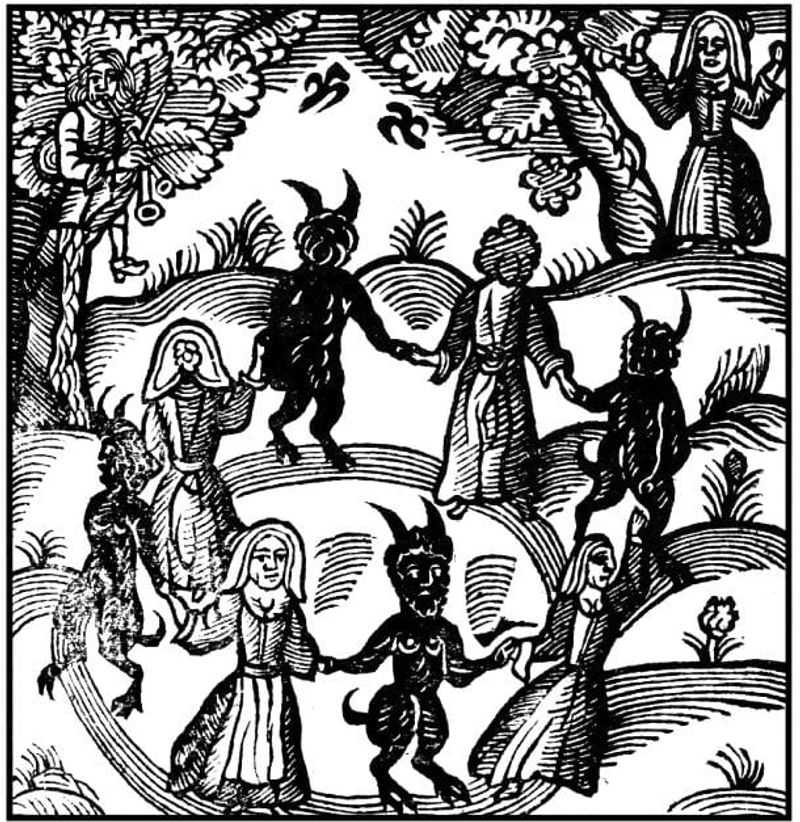
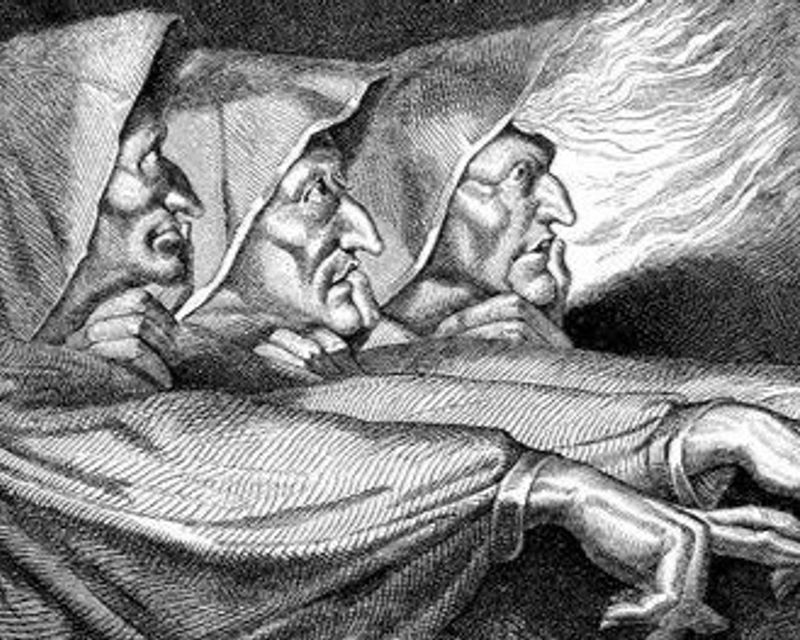
Nowadays, the most common depiction of witch is an older woman with a pointed black hat, a broomstick and a black cat. Being called a ‘witch’ in todays world would be nothing more than a nasty insult. However, in early modern Britain, an accusation like that could lead to your death. This webpage will focus on the Witchcraze in Early Modern Britain. The history of witchcraft in Britain is long and complex, throughout the cases of Pendle, Bideford, and North Berwick, we will discover how external factors such as religion, famine and politics effected the outcome of the Witchcraze in Britain.

King James VI of Scotland, who also later became King James I of England, had a turbulent childhood. He grew up frail, weak and unable to walk until age seven. James’ childhood was very complex, his father was killed when he was just eight months old and he was abandoned by his mother, Mary Queen of Scots. Due to his upbringing and lack of parental guidance, James had a lonely and paranoid nature. Historian Tracy Borman believes that his physical weaknesses would have been the driving point for him being such an intellectually led leader. The belief at the was that King James was chosen through divine right. The monarchy and the church were closely entwined, and together they were an overwhelming force.

Daemonologie was written by King James VI of Scotland, it expressed his views and beliefs about dark magic and the threat od witchcraft. Comprised of three short works, it was first publish in 1597. It was reprinted and distributed once James had taken the throne in 1603. His work drew from his experiences throughout the North Berwick trials. In his work, he expresses his support of the use of witch-hunting and also torture. Daemonologie reads as an informative piece about witchcraft. King James was trying to teach people about the threat of witchcraft, encourage people to go on witch hunts, and even how to spot signs of the devil. His personal fears are heavily reflected throughout his work. The opening paragraph of Daemonolgie reads – ‘such assaults of Satan are most certainly practised, and that the instrument thereof merits most severely to be punished.
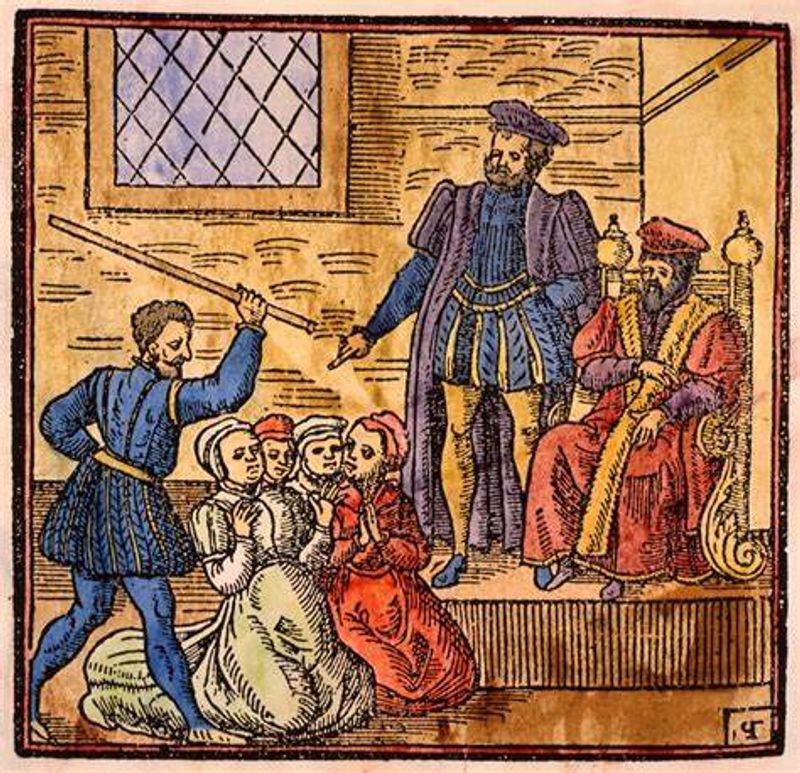
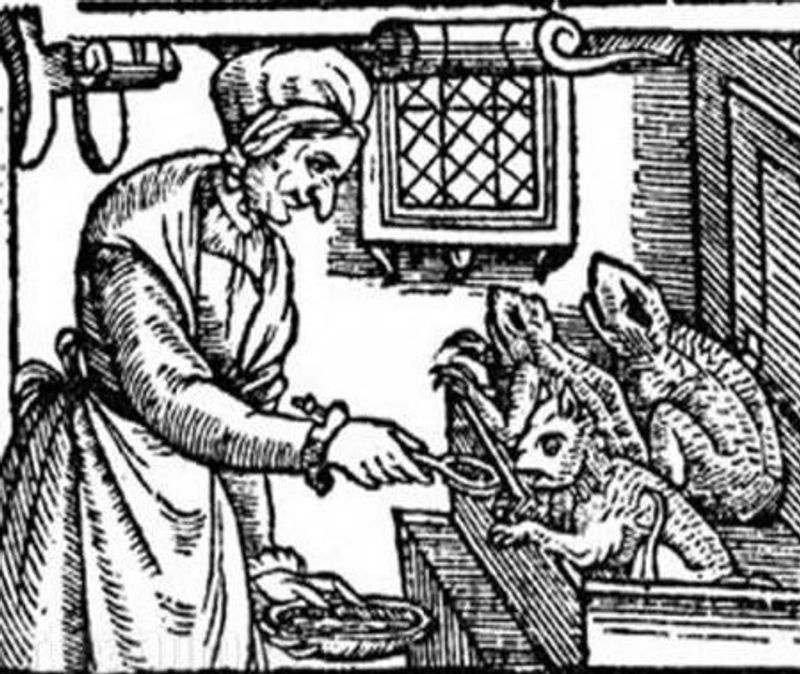
image1
image2

Sexism was rife in the patriarchal society of Early Modern Britain. It has been a common theme throughout all recorded history and continues to be very prevalent in modern day society. It is not just by coincidence that the majority of those accused and charged with witchcraft in Early Modern Britain were, as Mary Daly states, women who ‘had rejected marriage (Spinsters) and women who had survived it (widows)’. Daly further states that ‘witch-hunters sought to purify their society’ through the murder of ‘physical, intellectual, economic, moral, and spiritual[ly]’ independent women. A point risen by historians Alan Anderson and Raymond Gordon is that it is ‘extremely difficult to generate a campaign against individuals or groups who are not already defined as different or problematic’, suggested that women were only chosen as a scapegoat due to their previous reputation, rather than a purposeful attack.

Woman is the gate of the devil, the path of wickedness, the sting of the serpent, in a word, a perilous object.’ (Saint Jerome, fourth century)

Religion has been a catalysing factor in an overwhelming number of events throughout history. In the previous 100 years, England had undergone three religious changes, leaving thousands of Catholics and protestants dead. A time of religious turmoil during the Reformation caused a divided and hostile environment. The Bible had taken a more neutral stance on the act of Witchcraft until the 15th century. However, as Bengt Ankarloo states, ‘dramatic rise in witch persecutions has been explained as the result of a fundamental reinterpretation and demonization of popular magic by interventionist governments and zealous religious reformers’. King James I inherited England in a very difficult, volatile state. During King James’ rule, laws were passed which punished and undermined Catholics across Britain. Devout Protestants at the time feared Catholic believers. Catholics were seen as dangerous and demonic people and therefore were suspected to have a connection to witchcraft. The King James Bible, published in 1611 stated ‘thou shalt not suffer a witch to live’. When witchcraft was connected to the Devil, mass hysteria rippled through society. The fear surrounding the Devil’s link to the women in Early Modern Britain caused an outbreak of mass hysteria.

image3
image4

Politics was a driving force behind the witch-hunts in Early Modern Britain. It is speculated by sociologist, Albert Bergesen, that witch trials were used to unite people against one common enemy. After people were aware of the threat of witchcraft, they would have looked to their leader, those in political power, for help. By doing this, the governing body would be seen as a saviour against a threat that is not just physical, but spiritual as well. It is also no coincidence, as recognised by Peter Elmer, that a fair few of the major witch hunts happened at times when the political bodies felt threatened or had a weaker grasp on its people.

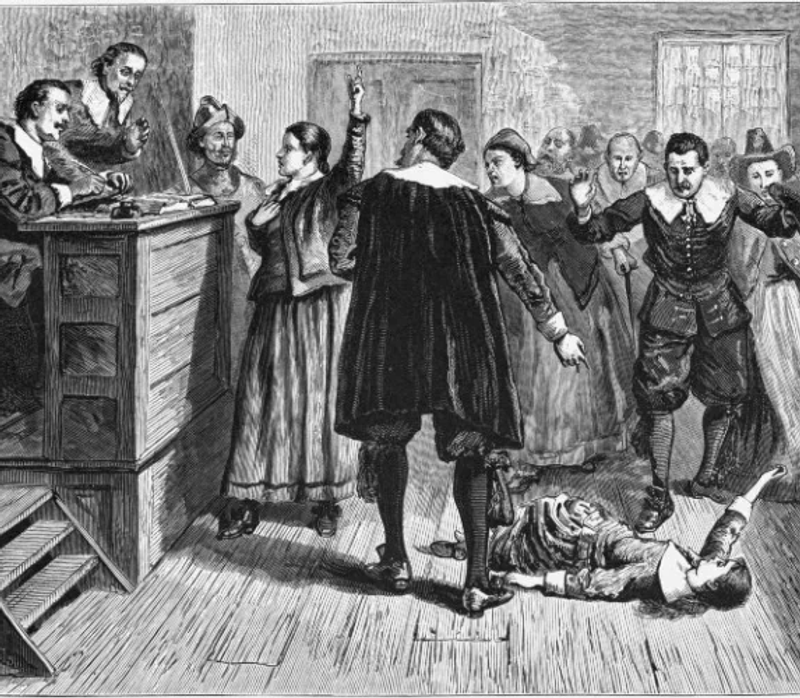
Legal systems throughout the trials allowed evidence such as gossip, false claims and family feuds. Alongside the inability to have legal representation, those on trial had little hope of acquittal. Torture and coercion were illegal in a great deal of the witchcraft trials at the time; however, this was often overlooked. Obtaining confessions under duress gave victims an inability to defend their own case, this was just one of the overwhelming factors that led to the unjust trials that spread across Britain. This proves that the flawed judicial process was one of the key factors that led to the massacre of innocent people throughout Early Modern Britain

Modern day legal systems have their legal framework due to the reassessment of the court system after the Witchcraze of Early Modern Britain. This meant there was an obligation to supply solid evidence, have a presumption of innocence and the right to legal defence. The Early Modern Witchcraze in Britain also highlighted the dangers of mass hysteria, importance of studying the past, and the importance of human life. Historian John Durrant explores the ‘importance of studying witchcraft has been highlighted by recent events in Africa. In parts of sub-Saharan Africa, secular authorities and evangelical church leaders have been punishing alleged witches on a scale that dwarfs that of the early-modern witch-hunts’. An understanding of the early modern crisis within western Christendom allows us to understand the dangers of total authority and how this can lead to a flawed judicial system. Application of our knowledge of the past can be used to mould our understanding of the modern witchcraft hunts in Africa.

image5