North Berwick Trial
Introduction to the case of North Berwick
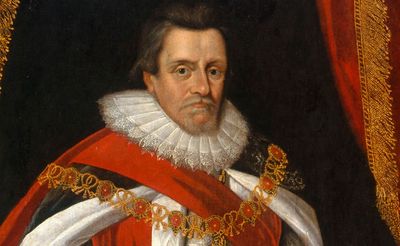
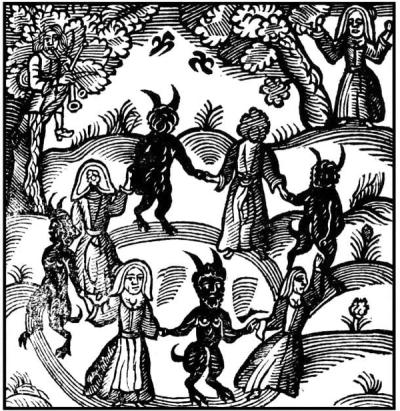
Characterised by their sheer scale, the North Berwick witch trials of 1597 were part of the first major witch trials in Scotland. Historian Lawrence Normand explains, ‘confusingly, the name ‘North Berwick’ is used by historians to refer both to the national witch hunt of 1590-7 and to the small number of state trials that took place in Edinburgh in 1590-1’. This is a case study on the trials that broke out in Edinburgh 1590-1. Although the death rate for these trials is heavily speculated, it is estimated that between 70-200 ‘witches’ met their demise. Christopher Smout estimated that 3,000 to 4,000 accused witches may have been executed in Scotland between 1560 and 1707. The direct involvement of King James VI of Scotland was instrumental in elevating the trials. He legitimised the trials through his dual role as monarch and religious figure, thus consolidating the trials' significance within the religious and socio-political landscape of the time. It was during these trials that the concept of 'diabolical behaviour' was first explicitly mentioned in a Scottish witch trial, signalling a significant shift in how witchcraft was perceived and prosecuted in the region. The events of the North Berwick trials serve as a reminder of the fear, hysteria and injustice that consistently accompanied accusations of witchcraft during this turbulent period in Scottish history.
What happened
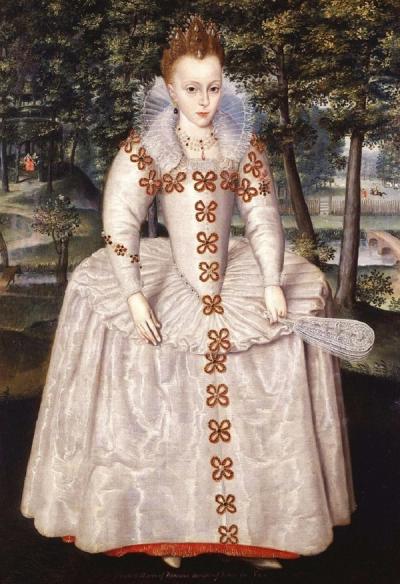
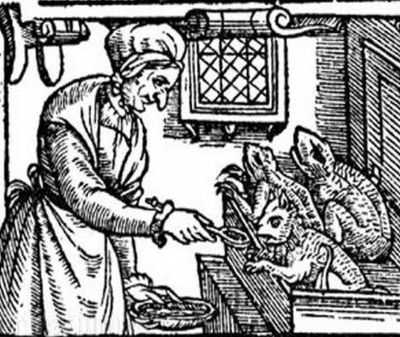
By 1589, King James VI was under pressure to marry and produce an heir. The people of Scotland had a tarnished reputation of the King at this time due to his many male ‘companions’. Therefore, arrangements were made for King James VI to marry Princess Anne, sister to the Danish King and he travelled to Denmark to marry Anne. During his six month stay in Denmark, King James VI met a theologian, Niels Hemmingway. Historians PG Maxwell Stuart and Christina Lamer believe that Hemmingway was largely influential on King James VI’s beliefs and was a catalysing factor in the starting of the North Berwick trials. However, in contrasting opinion, historians Thomas Riis and Alan Farmer believe that Hemmingway had little to no effect on his views. On the return voyage from Denmark, King James VI and Princess Anne of Denmark hit extremely turbulent weather. This meant having to seek refuge in Norway before continuing their journey. The storm that terrorised the Kings crossing was blamed on the supernatural powers of witches. The Danish held trials in July 1590 in which they blamed the wife of a political figure for the attack on the King’s ship. Anna Koldings, who was the first official victim of the questioning, named many others involved. They all confessed to causing the severe weather, however, this was most likely under torture. This trial caused King James VI’s fear of witchcraft to worsen. He began his own trials, and soon after, over one hundred people were arrested. This case was typical of a Scottish witch hunt, as cases were less contained and bought people in from much larger areas than those in England. Most of the accused plead guilty due to coercion and torture. Influenced by the trial in Denmark, King James VI set to start his own. The tortured confessions such as - meeting the devil in church, attempting to sink King James’ ship, and poisoning the King. These trials were heavily based around the ‘witches’ connection to the devil. Gillis Duncan, servant to David Seaton, was the first named witch at the North Berwick trials. Seaton stated that she began to act suspicious and developed healing powers. Gillis acted as a catalyst in the North Berwick trials as she suggested that supernatural forces were involved in the attempts to sink the King's ship. After being committed to multiple forms of torture, despite initially resisting, Gillis Duncan admitted to being a witch and named multiple others as witches as well.
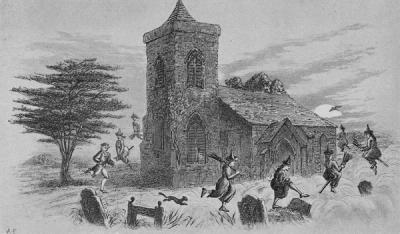
Although the majority of the accused did fit the typical prejudice of witches at the time, in Scotland some of the accused were notably different, such as wealthier women and men. An example of this is Dr John Fian, who does not only stray from the stereo type by being male, but also being well educated. Whilst on trial, Dr Fian implicated other people including Agnes Sampson and Barabara Napier who were two other key accused people during the trial. Under extreme levels of torture, they both admitted to witchcraft and Sampson confessed to attending a Sabbat amongst two-hundred others. Gruesome torture was a common factor of the North Berwick trials and therefore, the majority of people plead guilty to the accusations that were placed upon them.
‘by special commandment, Agnes Sampson had all her hair shaven off, in each part of her body, and her head "thrawen" (constricted) with a rope according to the custom of that Country, being a pain most grievous, which she continued almost an hour, during which time she would not confess any thing until the Devil's mark was found upon her privates, then she immediately confessed whatsoever was demanded of her, and justifying those persons aforesaid to be notorious witches’
-1591 edition from the Newes of Scotland regarding the case of Agnes Sampson
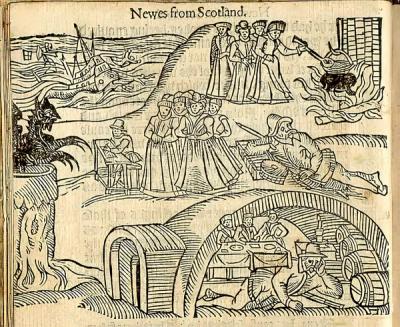
'Newes from Scotland, Declaring the Damnable Life and Death of Dr Fian, a Notable Sorcerer'
- Title of Newes of Scotland's edition about Dr. John Fian
Newes From Scotland
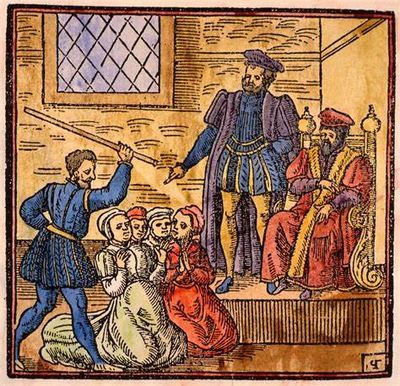
Newes From Scotland, commissioned by King James VI of Scotland, disseminated the key information regarding the North Berwick trials. Historians Lawrence Normand and Peter Maxwell- Stuart identify the pamphlet as a means of propaganda. The first copies were printed in London in late 1591, released whilst the trials were ongoing, and therefore acted as a documentation of the happenings, as well as representing the views that the upper class were attempting to implant in society. They documented the horror of the trials, from torture to hanging. It would have had a detrimental effect on the general public opinion and attitudes towards the trials, playing a crucial role in the narrative that we have today. At this time, King James VI was looking to expand his rule and therefore wanted the people of England to see him as a strong, God abiding leader who would even defend his people against the devil.
Factors of the North Berwick trials
There were many factors that differentiated the overall climate of both Scotland and England. The Scottish trials were far more barbaric and happened at a much larger scale. 17th Century Lowland Scotland was more impoverished than England, consisting of around 80% rural land and only a handful of small towns, where little of what was happening was overseen. This patriarchal society danced upon the line of poverty, with little to no crop surplus, and a plague of harvest failures, tensions were high, and the people grew hungry.
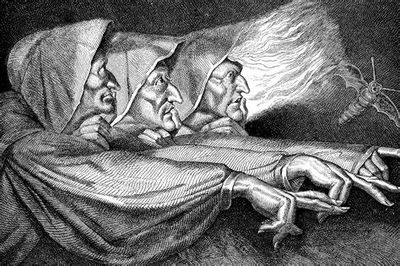
‘Shakespeare knew of James’ hatred and obsession of witches and witchcraft. Events from the North Berwick Witch Trials inspired some of the scenes in the play Macbeth which was written in the early 17th Century.’
- https://spookyscotland.net/north-berwick-witch-trials/
The Legal Context
The trials conducted in North Berwick had a legal framework that was not only influenced by Scottish legal traditions, but English as well. Although Scotland had always operated under its own unique legal guidelines, the rule of King James VI of Scotland, who also became King James I of England, looked to unify both legal procedures across his jurisdiction. King James had a personal vendetta against witches due to his beliefs and upbringing. This gave serious momentum to hunts across Scotland. A commission could also be sent out by the King, in which he could bring any witch trials to the royal court and witchcraft was punishable by death under Scottish law. This severe punishment meant that witchcraft accusations were taken with a deathly seriousness. The 1563 Witchcraft Act, introduced by King James’ mother, Queen Mary, stated that all witches must be burnt.
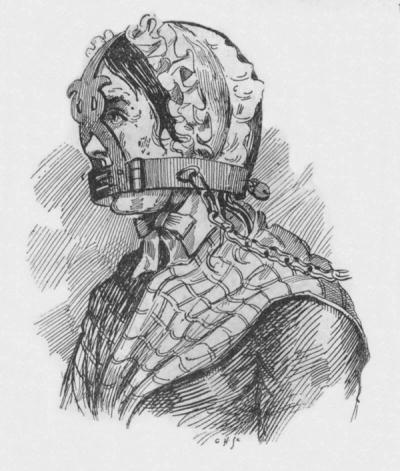
There were three main types of court – Judiciary, circuit and regality courts. There was just one judiciary court, located in Edinburgh. It was administrated by the royal justice. Circuit courts were mobile, administrated by trained judges, and were able to travel to adjudicate cases. Regality courts were very localised, often overseen by the local landlord acting in capacity as a judge. This showed how the Scottish court system was less centralised than England. Whilst torture was technically illegal without the sanction of the Privy Council, it was commonly used.
The trial verdict was based on a majority system rather than a unanimous one. As well as this, the jurors were selected from the wealthier circles in society. Subsequently, these courts were unjust.
The Religious Context
In the 1560s, Scotland underwent a Calvinist Reformation which was spearheaded by John Knox. The Scottish church, known as the Kirk, carried significant power and was characterised by presbyteries rather than bishops. There was a deep rooted suspicion of Catholicism. Beliefs in fairies and folk magic persisted among the lower classes, with the concept of "elfane" or elven land being widely accepted. Magic was interwoven into rural societies more so than in other countries. The strict nature of Presbyterianism removed Catholic rituals, emphasising the Protestant-Catholic divide. Catholics followed the pope, while Protestants, including Presbyterians, did not. The Anglican Church of England represented a different Protestant tradition, while Presbyterianism remained a distinctly Scottish in concept. The contrasting religions led to increased tensions and violence.
Dynastic context
As both sovereign and a central figure in the religious landscape, King James’ influence extended across matters of governance and spiritual authority. Amplifying his importance within the socio-political and religious contexts of his rule. He believed that cases were not single events and that they are all interconnected in one big conspiracy against himself and the church. King James took a very personal approach regarding the North Berwick trials. It was his own agenda that started the trials. King James had personal experiences with many of the accused, including Barbara Napier, despite being originally declared innocent, King James ordered her to be executed.
His support of the use of torture, strong personal beliefs of witchcraft, and personal involvement in the trials acted as legitimisation. The trials gave King James an opportunity to demonstrate the power he held over the people of Scotland. His ability to maintain order amongst his people and make an example of those who acted against him, gave him strength as a leader. The trial took a turn when Dr John Fian implicated Francis Stewart, the 5th Earl of Bothwell, in the trial. As a prominent nobleman and member of the aristocracy, this caused not only political panic but created more hysteria for the King, as even those closer to him could also be involved with the Devil. Soon after the events of North Berwick trials, King James began the writing of his infamous novel, Daemonologie.
Recent statement from Scotland...
'Today on International Women's Day, as first minister on behalf of the Scottish government, I am choosing to acknowledge that egregious historic injustice and extend a formal posthumous apology to all of those accused, convicted, vilified or executed under the Witchcraft Act of 1563'
- Nicola Sturgeon (8/03/2022)
Photo Credits
- Image 1 - https://www.royal.uk/james-vi-and-i-r-1567-1625
- Image 2 - https://bjws.blogspot.com/2015/09/biography-anne-of-denmark-1574-1619-ups.html
- Image 3 - https://www.atlasobscura.com/articles/witches-scotland-pardon-apology
- Image 4 - https://www.ancient-origins.net/myths-legends/witch-familiars-spirit-guardians-and-demons-006261
- Image 5 - https://www.gla.ac.uk/myglasgow/library/files/special/exhibns/month/aug2000.html
- Image 6 - https://www.thoughtco.com/the-witches-in-macbeth-2985023
- Image 7 - https://allthatsinteresting.com/scolds-bridle
- Image 8 - https://oldoperatingtheatre.com/introduction-to-english-witches-in-the-early-modern-period/
- Image 9 - https://www.scotlandmag.com/james-vi-and-witch-trials/
Timeline
1589
First record of Agnes Sampson’s magical practise
1589
Negotiations regarding the marriage of James and Anne
1590-07
Copenhagen trials began
1591-02
King James VI instructed David find the accused people that had fled to England.
1591-06-07
James VI overturned Barbara Napiers verdict. She was found guilty of Witchcraft.
1591-06-25
Barbara Napier burnt at the stake
1591-11-16
Dr. Fian is burnt at the stake. His trial implicated Francis Stewart.
{"_createdAt":"2024-05-02T19:08:13Z","_id":"7bdf04b9-a29b-470f-90fa-6c44feeb0d69","_rev":"nP8DlWBwaQIgJ0GakznVVv","_type":"casePage","_updatedAt":"2024-05-03T17:27:13Z","caseSections":[{"_createdAt":"2024-05-02T19:07:44Z","_id":"00c7cf44-7d40-4e86-8738-27d1ba1b3b6a","_rev":"nP8DlWBwaQIgJ0GakzmhvZ","_type":"caseSection","_updatedAt":"2024-05-03T17:09:35Z","body":[{"_key":"c45fc83095ec","_type":"block","children":[{"_key":"e274ce1a3aaf0","_type":"span","marks":[],"text":" \nCharacterised by their sheer scale, the North Berwick witch trials of 1597 were part of the first major witch trials in Scotland. Historian Lawrence Normand explains, ‘confusingly, the name ‘North Berwick’ is used by historians to refer both to the national witch hunt of 1590-7 and to the small number of state trials that took place in Edinburgh in 1590-1’. This is a case study on the trials that broke out in Edinburgh 1590-1. Although the death rate for these trials is heavily speculated, it is estimated that between 70-200 ‘witches’ met their demise. Christopher Smout estimated that 3,000 to 4,000 accused witches may have been executed in Scotland between 1560 and 1707. The direct involvement of King James VI of Scotland was instrumental in elevating the trials. He legitimised the trials through his dual role as monarch and religious figure, thus consolidating the trials' significance within the religious and socio-political landscape of the time. It was during these trials that the concept of 'diabolical behaviour' was first explicitly mentioned in a Scottish witch trial, signalling a significant shift in how witchcraft was perceived and prosecuted in the region. The events of the North Berwick trials serve as a reminder of the fear, hysteria and injustice that consistently accompanied accusations of witchcraft during this turbulent period in Scottish history."}],"markDefs":[],"style":"normal"}],"images":[{"_key":"157a1d1e7e53","_type":"image","asset":{"_ref":"image-85cb727360915e987dc3ffaf310f11740f8c6f45-854x526-jpg","_type":"reference"}},{"_key":"c1b3da2fe4a0","_type":"image","asset":{"_ref":"image-d9246febcaed1b090543a2613f9d2c746b6a334c-750x1095-jpg","_type":"reference"}}],"sideInfoBoxes":null,"title":"Introduction to the case of North Berwick"},{"_createdAt":"2024-05-02T20:12:45Z","_id":"c0ee9f6c-109c-4f88-b3de-a9781bbe8421","_rev":"nP8DlWBwaQIgJ0Gakzmo2v","_type":"caseSection","_updatedAt":"2024-05-03T17:13:58Z","body":[{"_key":"1f5b80f6e4d4","_type":"block","children":[{"_key":"1f460f343e600","_type":"span","marks":[],"text":"By 1589, King James VI was under pressure to marry and produce an heir. The people of Scotland had a tarnished reputation of the King at this time due to his many male ‘companions’. Therefore, arrangements were made for King James VI to marry Princess Anne, sister to the Danish King and he travelled to Denmark to marry Anne. During his six month stay in Denmark, King James VI met a theologian, Niels Hemmingway. Historians PG Maxwell Stuart and Christina Lamer believe that Hemmingway was largely influential on King James VI’s beliefs and was a catalysing factor in the starting of the North Berwick trials. However, in contrasting opinion, historians Thomas Riis and Alan Farmer believe that Hemmingway had little to no effect on his views. On the return voyage from Denmark, King James VI and Princess Anne of Denmark hit extremely turbulent weather. This meant having to seek refuge in Norway before continuing their journey. The storm that terrorised the Kings crossing was blamed on the supernatural powers of witches. The Danish held trials in July 1590 in which they blamed the wife of a political figure for the attack on the King’s ship. Anna Koldings, who was the first official victim of the questioning, named many others involved. They all confessed to causing the severe weather, however, this was most likely under torture. This trial caused King James VI’s fear of witchcraft to worsen. He began his own trials, and soon after, over one hundred people were arrested. This case was typical of a Scottish witch hunt, as cases were less contained and bought people in from much larger areas than those in England. Most of the accused plead guilty due to coercion and torture. Influenced by the trial in Denmark, King James VI set to start his own. The tortured confessions such as - meeting the devil in church, attempting to sink King James’ ship, and poisoning the King. These trials were heavily based around the ‘witches’ connection to the devil. Gillis Duncan, servant to David Seaton, was the first named witch at the North Berwick trials. Seaton stated that she began to act suspicious and developed healing powers. Gillis acted as a catalyst in the North Berwick trials as she suggested that supernatural forces were involved in the attempts to sink the King's ship. After being committed to multiple forms of torture, despite initially resisting, Gillis Duncan admitted to being a witch and named multiple others as witches as well."}],"markDefs":[],"style":"normal"},{"_key":"8acacccab71b","_type":"block","children":[{"_key":"297c558b03fe0","_type":"span","marks":[],"text":" \nAlthough the majority of the accused did fit the typical prejudice of witches at the time, in Scotland some of the accused were notably different, such as wealthier women and men. An example of this is Dr John Fian, who does not only stray from the stereo type by being male, but also being well educated. Whilst on trial, Dr Fian implicated other people including Agnes Sampson and Barabara Napier who were two other key accused people during the trial. Under extreme levels of torture, they both admitted to witchcraft and Sampson confessed to attending a Sabbat amongst two-hundred others. Gruesome torture was a common factor of the North Berwick trials and therefore, the majority of people plead guilty to the accusations that were placed upon them."}],"markDefs":[],"style":"normal"}],"images":[{"_key":"3bfa140ed081","_type":"image","asset":{"_ref":"image-3c511b539df9e61ca11c433d202c7de61a29a0ab-1031x603-jpg","_type":"reference"}},{"_key":"65069541bccf","_type":"image","asset":{"_ref":"image-38ff5edc94106c7158e675a0bfefa8d0964f2c3d-450x379-jpg","_type":"reference"}}],"sideInfoBoxes":[{"_createdAt":"2024-05-03T09:31:30Z","_id":"8164c6da-3479-43a2-a717-a8b1cfd2009e","_rev":"nP8DlWBwaQIgJ0Gakyptrb","_type":"sideInfoBox","_updatedAt":"2024-05-03T09:31:50Z","body":[{"_key":"32c4e28f1840","_type":"block","children":[{"_key":"519be12356e10","_type":"span","marks":["code","em"],"text":"‘by special commandment, Agnes Sampson had all her hair shaven off, in each part of her body, and her head \"thrawen\" (constricted) with a rope according to the custom of that Country, being a pain most grievous, which she continued almost an hour, during which time she would not confess any thing until the Devil's mark was found upon her privates, then she immediately confessed whatsoever was demanded of her, and justifying those persons aforesaid to be notorious witches’"}],"markDefs":[],"style":"normal"},{"_key":"3c4baff03434","_type":"block","children":[{"_key":"23f93e47f61a","_type":"span","marks":[],"text":"-1591 edition from the "},{"_key":"47339b969da5","_type":"span","marks":["em"],"text":"Newes of Scotland"},{"_key":"0bd5e9bba11f","_type":"span","marks":[],"text":" regarding the case of Agnes Sampson "}],"markDefs":[],"style":"normal"}]},{"_createdAt":"2024-05-03T10:32:21Z","_id":"bd1a26d3-286b-42db-8e38-3b3ce48b172f","_rev":"7prJsGNpqqJV4K3EgGMcng","_type":"sideInfoBox","_updatedAt":"2024-05-03T10:32:56Z","body":[{"_key":"02a91f49f52f","_type":"block","children":[{"_key":"6fe01dbca20e","_type":"span","marks":[],"text":"'"},{"_key":"c7b086a1b337","_type":"span","marks":["em","code"],"text":"Newes from Scotland, Declaring the Damnable Life and Death of Dr Fian, a Notable Sorcerer'"},{"_key":"300f98607a14","_type":"span","marks":[],"text":" "}],"markDefs":[],"style":"normal"},{"_key":"917df3e73c5f","_type":"block","children":[{"_key":"5e1e8f0491bd","_type":"span","marks":[],"text":"- Title of "},{"_key":"02ae0fcbfef8","_type":"span","marks":["em"],"text":"Newes of Scotland"},{"_key":"eb71309c6e69","_type":"span","marks":[],"text":"'s edition about Dr. John Fian "}],"markDefs":[],"style":"normal"}]}],"title":"What happened"},{"_createdAt":"2024-05-02T20:22:05Z","_id":"370b8f9d-f431-4a57-ac78-793af6e0952f","_rev":"nP8DlWBwaQIgJ0GakzmxzN","_type":"caseSection","_updatedAt":"2024-05-03T17:15:56Z","body":[{"_key":"2bc2c5e2d1cc","_type":"block","children":[{"_key":"99c74adfd9900","_type":"span","marks":["em"],"text":"Newes From Scotland,"},{"_key":"3addeb0068b1","_type":"span","marks":[],"text":" commissioned by King James VI of Scotland, disseminated the key information regarding the North Berwick trials. Historians Lawrence Normand and Peter Maxwell- Stuart identify the pamphlet as a means of propaganda. The first copies were printed in London in late 1591, released whilst the trials were ongoing, and therefore acted as a documentation of the happenings, as well as representing the views that the upper class were attempting to implant in society. They documented the horror of the trials, from torture to hanging. It would have had a detrimental effect on the general public opinion and attitudes towards the trials, playing a crucial role in the narrative that we have today. At this time, King James VI was looking to expand his rule and therefore wanted the people of England to see him as a strong, God abiding leader who would even defend his people against the devil. "}],"markDefs":[],"style":"normal"}],"images":[{"_key":"123939153e61","_type":"image","asset":{"_ref":"image-a3d1f43c01babb58280aae061c5b9d4cb3b86eee-978x799-jpg","_type":"reference"}}],"sideInfoBoxes":null,"title":"Newes From Scotland "},{"_createdAt":"2024-05-02T20:24:59Z","_id":"4103f980-53cf-4afc-96ac-68f2725fe36c","_rev":"nP8DlWBwaQIgJ0Gakyp0Hn","_type":"caseSection","_updatedAt":"2024-05-03T09:27:20Z","body":[{"_key":"608c99e8b847","_type":"block","children":[{"_key":"82112c43f7c20","_type":"span","marks":[],"text":"There were many factors that differentiated the overall climate of both Scotland and England. The Scottish trials were far more barbaric and happened at a much larger scale. 17th Century Lowland Scotland was more impoverished than England, consisting of around 80% rural land and only a handful of small towns, where little of what was happening was overseen. This patriarchal society danced upon the line of poverty, with little to no crop surplus, and a plague of harvest failures, tensions were high, and the people grew hungry."}],"markDefs":[],"style":"normal"},{"_key":"4cfd5031088c","_type":"block","children":[{"_key":"31e71eeaa87f","_type":"span","marks":[],"text":""}],"markDefs":[],"style":"normal"},{"_key":"af3646caa524","_type":"block","children":[{"_key":"87db11bd46ae","_type":"span","marks":[],"text":"‘Shakespeare knew of James’ hatred and obsession of witches and witchcraft. Events from the North Berwick Witch Trials inspired some of the scenes in the play Macbeth which was written in the early 17th Century.’"}],"markDefs":[],"style":"normal"},{"_key":"4d33ea29f284","_type":"block","children":[{"_key":"b5c5d00567a2","_type":"span","marks":[],"text":"- "},{"_key":"1a1fae3cf10a","_type":"span","marks":["436d67840c7d"],"text":"https://spookyscotland.net/north-berwick-witch-trials/"}],"markDefs":[{"_key":"436d67840c7d","_type":"link","href":"https://spookyscotland.net/north-berwick-witch-trials/"}],"style":"normal"}],"images":[{"_key":"6b71d84cd7b2","_type":"image","asset":{"_ref":"image-865842a360b19aff2dfd5dcdad4c4919c4bff29c-474x315-jpg","_type":"reference"}}],"sideInfoBoxes":null,"title":"Factors of the North Berwick trials "},{"_createdAt":"2024-05-02T20:29:07Z","_id":"bac73afe-2550-4129-b169-d585de4ff6b6","_rev":"7prJsGNpqqJV4K3EgGvqab","_type":"caseSection","_updatedAt":"2024-05-03T17:19:02Z","body":[{"_key":"ccde975152e4","_type":"block","children":[{"_key":"7ef756ef8b2d0","_type":"span","marks":[],"text":"The trials conducted in North Berwick had a legal framework that was not only influenced by Scottish legal traditions, but English as well. Although Scotland had always operated under its own unique legal guidelines, the rule of King James VI of Scotland, who also became King James I of England, looked to unify both legal procedures across his jurisdiction. King James had a personal vendetta against witches due to his beliefs and upbringing. This gave serious momentum to hunts across Scotland. A commission could also be sent out by the King, in which he could bring any witch trials to the royal court and witchcraft was punishable by death under Scottish law. This severe punishment meant that witchcraft accusations were taken with a deathly seriousness. The 1563 Witchcraft Act, introduced by King James’ mother, Queen Mary, stated that all witches must be burnt."}],"markDefs":[],"style":"normal"},{"_key":"7392be5dc7ba","_type":"block","children":[{"_key":"8b9276f8d4420","_type":"span","marks":[],"text":"There were three main types of court – Judiciary, circuit and regality courts. There was just one judiciary court, located in Edinburgh. It was administrated by the royal justice. Circuit courts were mobile, administrated by trained judges, and were able to travel to adjudicate cases. Regality courts were very localised, often overseen by the local landlord acting in capacity as a judge. This showed how the Scottish court system was less centralised than England. Whilst torture was technically illegal without the sanction of the Privy Council, it was commonly used."}],"markDefs":[],"style":"normal"},{"_key":"535950b01b4b","_type":"block","children":[{"_key":"a9aa65be2eda0","_type":"span","marks":[],"text":"The trial verdict was based on a majority system rather than a unanimous one. As well as this, the jurors were selected from the wealthier circles in society. Subsequently, these courts were unjust."}],"markDefs":[],"style":"normal"}],"images":[{"_key":"b5d4626bb25a","_type":"image","asset":{"_ref":"image-c7dae685eca34c0a75445b88762177ae6e5fe43c-800x942-jpg","_type":"reference"}}],"sideInfoBoxes":null,"title":"The Legal Context "},{"_createdAt":"2024-05-02T20:29:28Z","_id":"e77b1b01-77bf-420d-920b-0e868fe78894","_rev":"nP8DlWBwaQIgJ0GakznWur","_type":"caseSection","_updatedAt":"2024-05-03T17:27:35Z","body":[{"_key":"cb37cf114b7e","_type":"block","children":[{"_key":"29b48eee421d0","_type":"span","marks":[],"text":"In the 1560s, Scotland underwent a Calvinist Reformation which was spearheaded by John Knox. The Scottish church, known as the Kirk, carried significant power and was characterised by presbyteries rather than bishops. There was a deep rooted suspicion of Catholicism. Beliefs in fairies and folk magic persisted among the lower classes, with the concept of \"elfane\" or elven land being widely accepted. Magic was interwoven into rural societies more so than in other countries. The strict nature of Presbyterianism removed Catholic rituals, emphasising the Protestant-Catholic divide. Catholics followed the pope, while Protestants, including Presbyterians, did not. The Anglican Church of England represented a different Protestant tradition, while Presbyterianism remained a distinctly Scottish in concept. The contrasting religions led to increased tensions and violence."}],"markDefs":[],"style":"normal"}],"images":[{"_key":"6f47670ce933","_type":"image","asset":{"_ref":"image-576735aa3bbe51c91eda67c400249d1360bff8b0-610x627-jpg","_type":"reference"}}],"sideInfoBoxes":null,"title":"The Religious Context "},{"_createdAt":"2024-05-02T20:33:36Z","_id":"aabb367a-1769-4739-9c19-ea81e763ce97","_rev":"OF7sjyl9esqQDP1Bc5TKl7","_type":"caseSection","_updatedAt":"2024-05-02T23:48:27Z","body":[{"_key":"a653cd7baf1a","_type":"block","children":[{"_key":"578723bfba2c0","_type":"span","marks":[],"text":"As both sovereign and a central figure in the religious landscape, King James’ influence extended across matters of governance and spiritual authority. Amplifying his importance within the socio-political and religious contexts of his rule. He believed that cases were not single events and that they are all interconnected in one big conspiracy against himself and the church. King James took a very personal approach regarding the North Berwick trials. It was his own agenda that started the trials. King James had personal experiences with many of the accused, including Barbara Napier, despite being originally declared innocent, King James ordered her to be executed."}],"markDefs":[],"style":"normal"},{"_key":"c6f630c1da56","_type":"block","children":[{"_key":"4a467e23152f0","_type":"span","marks":[],"text":"His support of the use of torture, strong personal beliefs of witchcraft, and personal involvement in the trials acted as legitimisation. The trials gave King James an opportunity to demonstrate the power he held over the people of Scotland. His ability to maintain order amongst his people and make an example of those who acted against him, gave him strength as a leader. The trial took a turn when Dr John Fian implicated Francis Stewart, the 5th Earl of Bothwell, in the trial. As a prominent nobleman and member of the aristocracy, this caused not only political panic but created more hysteria for the King, as even those closer to him could also be involved with the Devil. Soon after the events of North Berwick trials, King James began the writing of his infamous novel, "},{"_key":"4a467e23152f1","_type":"span","marks":["em"],"text":"Daemonologie"},{"_key":"4a467e23152f2","_type":"span","marks":[],"text":"."}],"markDefs":[],"style":"normal"}],"images":[{"_key":"320a851570d4","_type":"image","asset":{"_ref":"image-6107d7b16804d6b4944399d70f12bd5bca1914ee-474x458-jpg","_type":"reference"}}],"sideInfoBoxes":null,"title":"Dynastic context "},{"_createdAt":"2024-05-02T20:34:33Z","_id":"e9f512a2-6eef-465f-b89f-952331f37bbd","_rev":"zpBC6cqV9j5DiVVSU8bYr8","_type":"caseSection","_updatedAt":"2024-05-03T08:20:20Z","body":[{"_key":"59c2b7284191","_type":"block","children":[{"_key":"61a4d1ab12ad0","_type":"span","marks":[],"text":"'Today on International Women's Day, as first minister on behalf of the Scottish government, I am choosing to acknowledge that egregious historic injustice and extend a formal posthumous apology to all of those accused, convicted, vilified or executed under the Witchcraft Act of 1563'"}],"markDefs":[],"style":"normal"},{"_key":"e8e0c84e09fc","_type":"block","children":[{"_key":"10d1ca3fd0810","_type":"span","marks":[],"text":"- Nicola Sturgeon (8/03/2022)"}],"markDefs":[],"style":"normal"}],"sideInfoBoxes":null,"title":"Recent statement from Scotland... "}],"primarySources":["Image 1 - https://www.royal.uk/james-vi-and-i-r-1567-1625","Image 2 - https://bjws.blogspot.com/2015/09/biography-anne-of-denmark-1574-1619-ups.html","Image 3 - https://www.atlasobscura.com/articles/witches-scotland-pardon-apology","Image 4 - https://www.ancient-origins.net/myths-legends/witch-familiars-spirit-guardians-and-demons-006261","Image 5 - https://www.gla.ac.uk/myglasgow/library/files/special/exhibns/month/aug2000.html","Image 6 - https://www.thoughtco.com/the-witches-in-macbeth-2985023","Image 7 - https://allthatsinteresting.com/scolds-bridle","Image 8 - https://oldoperatingtheatre.com/introduction-to-english-witches-in-the-early-modern-period/","Image 9 - https://www.scotlandmag.com/james-vi-and-witch-trials/"],"slug":{"_type":"slug","current":"north-berwick"},"timeLine":[{"_createdAt":"2024-05-02T20:37:13Z","_id":"69ceecde-d7bd-405f-bc94-428f8e6c0226","_rev":"OF7sjyl9esqQDP1Bc5KggJ","_type":"timeLineEvent","_updatedAt":"2024-05-02T20:37:13Z","date":"1589-01-01","title":"First record of Agnes Sampson’s magical practise "},{"_createdAt":"2024-05-02T20:37:30Z","_id":"280dadd8-6c65-4740-a5a2-47f4f10bfa57","_rev":"OF7sjyl9esqQDP1Bc5KhBB","_type":"timeLineEvent","_updatedAt":"2024-05-02T20:37:30Z","date":"1589-01-01","title":"Negotiations regarding the marriage of James and Anne "},{"_createdAt":"2024-05-02T20:39:18Z","_id":"47c785f0-7565-4860-bc67-7b0666cf9b71","_rev":"zpBC6cqV9j5DiVVSU8fsY0","_type":"timeLineEvent","_updatedAt":"2024-05-03T09:07:57Z","date":"1590-07-01","title":"Copenhagen trials began "},{"_createdAt":"2024-05-03T09:09:43Z","_id":"bba1877c-0d2b-4faf-bcd7-84549f22301f","_rev":"zpBC6cqV9j5DiVVSU8g48Y","_type":"timeLineEvent","_updatedAt":"2024-05-03T09:09:43Z","date":"1591-02-01","title":"King James VI instructed David find the accused people that had fled to England. "},{"_createdAt":"2024-05-03T09:14:54Z","_id":"5fb6ee44-32c1-44cc-9558-c6a69351e11e","_rev":"zpBC6cqV9j5DiVVSU8gOgm","_type":"timeLineEvent","_updatedAt":"2024-05-03T09:14:54Z","date":"1591-06-07","title":"James VI overturned Barbara Napiers verdict. She was found guilty of Witchcraft. "},{"_createdAt":"2024-05-03T09:15:51Z","_id":"86b285d1-361a-4aa9-8f10-0102d0b7a10c","_rev":"zpBC6cqV9j5DiVVSU8gRpa","_type":"timeLineEvent","_updatedAt":"2024-05-03T09:15:51Z","date":"1591-06-25","title":"Barbara Napier burnt at the stake "},{"_createdAt":"2024-05-03T09:11:33Z","_id":"96ef6a9c-8d79-41c6-880f-6d529437d9ee","_rev":"zpBC6cqV9j5DiVVSU8g9nq","_type":"timeLineEvent","_updatedAt":"2024-05-03T09:11:58Z","date":"1591-11-16","title":"Dr. Fian is burnt at the stake. His trial implicated Francis Stewart. "}],"title":"North Berwick Trial "}