Bideford Trial
Introduction to the Bideford witch trial
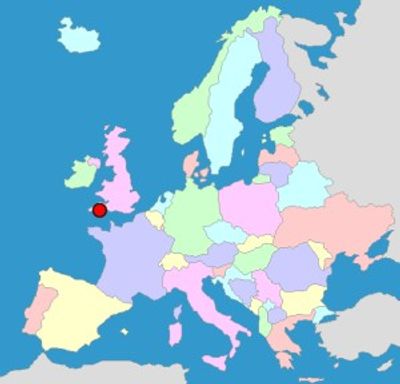
Contemporary evidence indicates that counties such as Cornwall, Devon, Somerset and Dorset may have experienced a higher number of witch trials than previously believed "hotspots" in England. The trial of Bideford had the last recorded hanging of any witchcraft trial in England. Whilst judicial records were few and far between, publishers from London provided a more ‘detailed’ account of events. Through this bias and heavily edited document of events, it created ‘entirely fictitious accounts that bore little relation to the actual events’ as stated by Stephen Timmons. In areas out of the reach of the central authority, witch trials flourished.
What happened
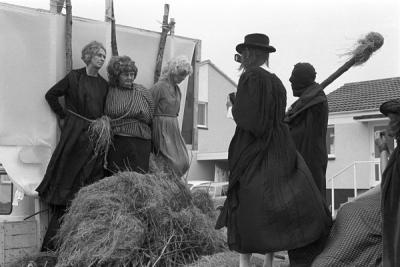
The events leading to the trial of the Bideford witches began when Thomas Eastchurch accused Temperance Lloyd of acts of witchcraft including causing illness to fall upon his sister-in-law, Grace Thomas. On 29th June 1682, a bird had flown into Grace’s bedroom window where she laid bedbound with illness. Soon after the commotion caused by the bird had died down, on old lady came begging at their door, Temperance Lloyd. It was speculated by those at the house that Temperance had used a familiar, in the shape of the bird, to aid her in condemning the household of Thomas Eastchurch.
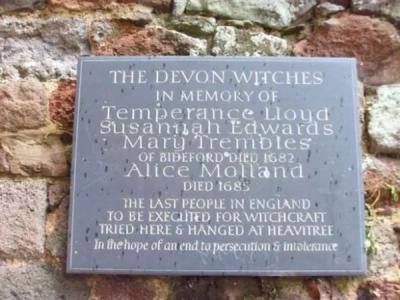
Three women (Temperance Lloyd, Suzanna Edwards and Mary Trembles) were imprisoned in horrific conditions at Rougemont Castle who were tried and eventually hung for witchcraft and heresy. Dr John Callow states that these three women were ‘marginal in every sense of the world in 17th century society’. Characteristics that were classic to those accused of witchcraft that were applicable to these three women were; gender, age (although this was overexaggerated in the trials), unmarried status, poverty-stricken backgrounds, and they were all social outsiders. It was believed at the time that these three women were part of a coven/ devil worshipping group, however, there is no documentation to suggest that they were even acquainted. With an inability to defend themselves in court, these women were forced to put blame on each other to try and free themselves of their accusations. This was typical of an Early Modern witch trial. These trials ended with the hanging of the three accused. An eerie feeling of unease lingered in Bideford, due to the unjust trials and lack of evidence within them.
Evidence against Temperance Loyd –
- Meeting a ‘black man’ who tempted her to torment Grace Thomas
- Being accompanied by two familiars in the form of a crow and a tabby cat
- Causing Grace Thomas’ illness
- Pricking Grace Thomas through witchcraft by using a piece of leather that was found on her
- Have two teats in her ‘secret parts’ where the Devil had fed from her
- That 11 years before that William Herbert overheard his father state that Temperance Lloyd had bewitched him
- Turning into a cat
- Blinding Jane Dallyn
Distribution of news
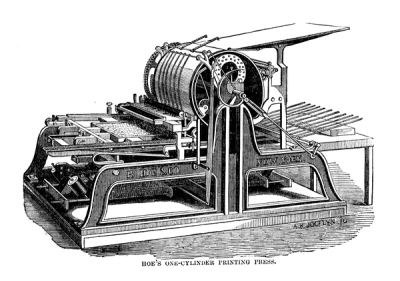
The story of the Bideford Witches was sold on to the literate people of England. However, what was printed on paper was a distorted version of their true story. The version of events released in the papers were distributed without the accused themselves being spoken to. During this period in England, women, especially those from poverty-stricken backgrounds, had been marginalised throughout the patriarchal society in England. The Bideford trials were a prime example of marginalised women not being allowed a voice, which is why, in many cases, an accusation was ample evidence for a conviction.
factors of the Bideford trials
Opinions were changing in England. It was with the Bideford trials where people began considering if accounts of people speculating witchcraft may not have been as truthful as previously believed. Records from the time of the Bideford trials even indicate that the judge, Sir Francis North, harboured doubts regarding the women’s guilt; however, he felt compelled to address the demands of the angry mob. This showed that the Witchcraze was not just fuelled by the real belief in magic, but also was highly political. To state that you did not believe in witchcraft would be going against the teachings of not only the King, but the church as well. The King was not just a protector from physical threats, but spiritual ones too. Proving that society was controlled by the overwhelming power of both the monarchy and also the church.
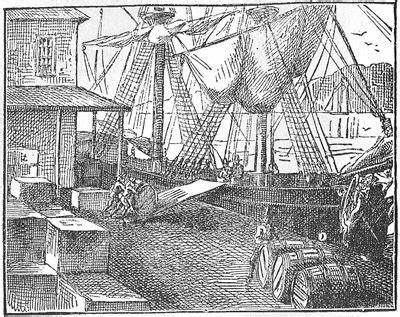
In the seventeenth century, Bideford had gone through an influx of trade and visitors. A new flow of money entered Bideford through trades such as tobacco, fishing and anthracite mining and resulted in many immigrants travelling to the area. The town locals of Bideford resented the newcomers due to the potential threat they could bring into their well-established town. It was no coincidence, that the three accused women were all immigrants to Bideford. Prejudice and general dislike were the fuel behind a staggering number of witchcraft cases, rather than the genuine belief in witchcraft. Although some people did still carry beliefs in witchcraft, Elaine Graham-Leigh explains that by ‘the nineteenth century, those who could not support themselves were likely to be removed to the workhouse, rather than hanging around in their villages making their more prosperous neighbours feel guilty’ therefore proving that witch hunts were driven by circumstantial events rather than people's honest accounts and beliefs.
Photo Credits
- Image 1 - http://www.lukemastin.com/witchcraft/trials_bideford.html
- Image 2 - https://beafordarchive.org/archive-image/carnival-float-witches-of-bideford1682/
- Image 3 - https://www.vagabondjourney.com/1600-printing-press/
- Image 4 - https://www.devonlive.com/news/devon-news/final-devon-women-executed-witchcraft-4654302
- Image 5 - https://bideford.com/bidefords-role-tobacco-trade/
Timeline
1682-06-29
A crow (speculated to be a familiar) flew in the bedroom of Grace Thomas.
1682-07
Thomas Eastchurch accused Temperance Lloyd of witchcraft. She was arrested.
1682-07-18
Mary Trembles and Susanna Edwards go on trial after evidence is given against them by Grace Barnes
1682-08-25
All three women were hung at Heavitree gallows.
{"_createdAt":"2024-05-02T20:50:01Z","_id":"85f44227-c3c9-4772-8017-6eb02f243dd4","_rev":"nP8DlWBwaQIgJ0GakzlJJK","_type":"casePage","_updatedAt":"2024-05-03T17:04:31Z","caseSections":[{"_createdAt":"2024-05-02T20:52:12Z","_id":"4c8ca446-580e-4163-b9ae-25d6d9945c02","_rev":"KN5KxomcqPnlOGZMAf7CLH","_type":"caseSection","_updatedAt":"2024-05-02T21:53:10Z","body":[{"_key":"1067660655d8","_type":"block","children":[{"_key":"d6aa553cbc870","_type":"span","marks":[],"text":"Contemporary evidence indicates that counties such as Cornwall, Devon, Somerset and Dorset may have experienced a higher number of witch trials than previously believed \"hotspots\" in England. The trial of Bideford had the last recorded hanging of any witchcraft trial in England. Whilst judicial records were few and far between, publishers from London provided a more ‘detailed’ account of events. Through this bias and heavily edited document of events, it created ‘entirely fictitious accounts that bore little relation to the actual events’ as stated by Stephen Timmons. In areas out of the reach of the central authority, witch trials flourished."}],"markDefs":[],"style":"normal"}],"images":[{"_key":"fade8b42baed","_type":"image","asset":{"_ref":"image-1379294d776265abeeabf3a388b8f4225cb4081b-300x288-jpg","_type":"reference"}}],"sideInfoBoxes":null,"title":"Introduction to the Bideford witch trial"},{"_createdAt":"2024-05-02T20:53:30Z","_id":"bbb569dd-d8ea-44db-ad35-44e6e792b6ee","_rev":"nP8DlWBwaQIgJ0GakzlCcP","_type":"caseSection","_updatedAt":"2024-05-03T17:01:35Z","body":[{"_key":"46f3d2771115","_type":"block","children":[{"_key":"3dea4f7e0c9c0","_type":"span","marks":[],"text":"\nThe events leading to the trial of the Bideford witches began when Thomas Eastchurch accused Temperance Lloyd of acts of witchcraft including causing illness to fall upon his sister-in-law, Grace Thomas. On 29th June 1682, a bird had flown into Grace’s bedroom window where she laid bedbound with illness. Soon after the commotion caused by the bird had died down, on old lady came begging at their door, Temperance Lloyd. It was speculated by those at the house that Temperance had used a familiar, in the shape of the bird, to aid her in condemning the household of Thomas Eastchurch."}],"markDefs":[],"style":"normal"},{"_key":"744d3d22761a","_type":"block","children":[{"_key":"33ad98fe53820","_type":"span","marks":[],"text":"Three women (Temperance Lloyd, Suzanna Edwards and Mary Trembles) were imprisoned in horrific conditions at Rougemont Castle who were tried and eventually hung for witchcraft and heresy. Dr John Callow states that these three women were ‘marginal in every sense of the world in 17th century society’. Characteristics that were classic to those accused of witchcraft that were applicable to these three women were; gender, age (although this was overexaggerated in the trials), unmarried status, poverty-stricken backgrounds, and they were all social outsiders. It was believed at the time that these three women were part of a coven/ devil worshipping group, however, there is no documentation to suggest that they were even acquainted. With an inability to defend themselves in court, these women were forced to put blame on each other to try and free themselves of their accusations. This was typical of an Early Modern witch trial. These trials ended with the hanging of the three accused. An eerie feeling of unease lingered in Bideford, due to the unjust trials and lack of evidence within them."}],"markDefs":[],"style":"normal"}],"images":[{"_key":"5e2dd79c321a","_type":"image","asset":{"_ref":"image-20144e2977143928699840312c8e4c313b3ad927-2000x1333-jpg","_type":"reference"}}],"sideInfoBoxes":[{"_createdAt":"2024-05-02T20:53:15Z","_id":"889233f5-8e09-4cd9-a258-bdf5d6563bb9","_rev":"OF7sjyl9esqQDP1Bc5LaXT","_type":"sideInfoBox","_updatedAt":"2024-05-02T20:53:15Z","body":[{"_key":"354621dbb997","_type":"block","children":[{"_key":"252a144991f40","_type":"span","marks":[],"text":"Evidence against Temperance Loyd –"}],"markDefs":[],"style":"normal"},{"_key":"6f0f7f4b1fa8","_type":"block","children":[{"_key":"20259071265a0","_type":"span","marks":[],"text":"Meeting a ‘black man’ who tempted her to torment Grace Thomas"}],"level":1,"listItem":"bullet","markDefs":[],"style":"normal"},{"_key":"7d4665c90293","_type":"block","children":[{"_key":"926b002831df0","_type":"span","marks":[],"text":"Being accompanied by two familiars in the form of a crow and a tabby cat"}],"level":1,"listItem":"bullet","markDefs":[],"style":"normal"},{"_key":"6e21110ee7f5","_type":"block","children":[{"_key":"eacc6f41f5850","_type":"span","marks":[],"text":"Causing Grace Thomas’ illness"}],"level":1,"listItem":"bullet","markDefs":[],"style":"normal"},{"_key":"5829c2d6128b","_type":"block","children":[{"_key":"7386324e3fab0","_type":"span","marks":[],"text":"Pricking Grace Thomas through witchcraft by using a piece of leather that was found on her"}],"level":1,"listItem":"bullet","markDefs":[],"style":"normal"},{"_key":"8da2ac9895be","_type":"block","children":[{"_key":"60410cba70050","_type":"span","marks":[],"text":"Have two teats in her ‘secret parts’ where the Devil had fed from her"}],"level":1,"listItem":"bullet","markDefs":[],"style":"normal"},{"_key":"990418deff8e","_type":"block","children":[{"_key":"eeab2e27b7d10","_type":"span","marks":[],"text":"That 11 years before that William Herbert overheard his father state that Temperance Lloyd had bewitched him"}],"level":1,"listItem":"bullet","markDefs":[],"style":"normal"},{"_key":"bcf9225dd337","_type":"block","children":[{"_key":"a9ef2d639c930","_type":"span","marks":[],"text":"Turning into a cat"}],"level":1,"listItem":"bullet","markDefs":[],"style":"normal"},{"_key":"b6259f316ffd","_type":"block","children":[{"_key":"736c7891c6520","_type":"span","marks":[],"text":"Blinding Jane Dallyn"}],"level":1,"listItem":"bullet","markDefs":[],"style":"normal"}]}],"title":"What happened "},{"_createdAt":"2024-05-02T20:53:58Z","_id":"1de3b9e1-cf93-4086-8135-a02c6a605797","_rev":"7prJsGNpqqJV4K3EgGRgGM","_type":"caseSection","_updatedAt":"2024-05-03T11:08:43Z","body":[{"_key":"3c19a16c9966","_type":"block","children":[{"_key":"54919c6c9447","_type":"span","marks":[],"text":"The story of the Bideford Witches was sold on to the literate people of England. However, what was printed on paper was a distorted version of their true story. The version of events released in the papers were distributed without the accused themselves being spoken to. During this period in England, women, especially those from poverty-stricken backgrounds, had been marginalised throughout the patriarchal society in England. The Bideford trials were a prime example of marginalised women not being allowed a voice, which is why, in many cases, an accusation was ample evidence for a conviction. "}],"markDefs":[],"style":"normal"}],"images":[{"_key":"31757abcfdcc","_type":"image","asset":{"_ref":"image-84695311b796728f899fdba12773c3387ce9c379-1545x1086-png","_type":"reference"}}],"sideInfoBoxes":null,"title":"Distribution of news "},{"_createdAt":"2024-05-02T20:55:54Z","_id":"28d69c8a-65fc-4076-ab4a-20c5756aa9da","_rev":"7prJsGNpqqJV4K3EgGv9aT","_type":"caseSection","_updatedAt":"2024-05-03T17:04:35Z","body":[{"_key":"4a0853b135df","_type":"block","children":[{"_key":"afe2825d285f0","_type":"span","marks":[],"text":"Opinions were changing in England. It was with the Bideford trials where people began considering if accounts of people speculating witchcraft may not have been as truthful as previously believed. Records from the time of the Bideford trials even indicate that the judge, Sir Francis North, harboured doubts regarding the women’s guilt; however, he felt compelled to address the demands of the angry mob. This showed that the Witchcraze was not just fuelled by the real belief in magic, but also was highly political. To state that you did not believe in witchcraft would be going against the teachings of not only the King, but the church as well. The King was not just a protector from physical threats, but spiritual ones too. Proving that society was controlled by the overwhelming power of both the monarchy and also the church."}],"markDefs":[],"style":"normal"},{"_key":"0378c8adc68f","_type":"block","children":[{"_key":"142020d6adf70","_type":"span","marks":[],"text":"In the seventeenth century, Bideford had gone through an influx of trade and visitors. A new flow of money entered Bideford through trades such as tobacco, fishing and anthracite mining and resulted in many immigrants travelling to the area. The town locals of Bideford resented the newcomers due to the potential threat they could bring into their well-established town. It was no coincidence, that the three accused women were all immigrants to Bideford. Prejudice and general dislike were the fuel behind a staggering number of witchcraft cases, rather than the genuine belief in witchcraft. Although some people did still carry beliefs in witchcraft, Elaine Graham-Leigh explains that by ‘the nineteenth century, those who could not support themselves were likely to be removed to the workhouse, rather than hanging around in their villages making their more prosperous neighbours feel guilty’ therefore proving that witch hunts were driven by circumstantial events rather than people's honest accounts and beliefs."}],"markDefs":[],"style":"normal"}],"images":[{"_key":"6c1b150af8a8","_type":"image","asset":{"_ref":"image-dbfcb45ba119c28c0e8ce87a3dedd11c4b3cdd3d-615x461-webp","_type":"reference"}},{"_key":"70269f22f3c4","_type":"image","asset":{"_ref":"image-db506669f101596c2f04d9e25467f1502be95a58-400x317-jpg","_type":"reference"}}],"sideInfoBoxes":null,"title":"factors of the Bideford trials "}],"primarySources":["Image 1 - http://www.lukemastin.com/witchcraft/trials_bideford.html","Image 2 - https://beafordarchive.org/archive-image/carnival-float-witches-of-bideford1682/","Image 3 - https://www.vagabondjourney.com/1600-printing-press/","Image 4 - https://www.devonlive.com/news/devon-news/final-devon-women-executed-witchcraft-4654302","Image 5 - https://bideford.com/bidefords-role-tobacco-trade/"],"slug":{"_type":"slug","current":"bideford-trial"},"timeLine":[{"_createdAt":"2024-05-02T21:01:46Z","_id":"66af0154-3842-45ba-8fc6-b2ae94c237b2","_rev":"zpBC6cqV9j5DiVVSU8eITU","_type":"timeLineEvent","_updatedAt":"2024-05-03T08:56:25Z","date":"1682-06-29","title":"A crow (speculated to be a familiar) flew in the bedroom of Grace Thomas. "},{"_createdAt":"2024-05-03T08:56:00Z","_id":"13588a3c-99c6-42a2-837a-ed7541f35342","_rev":"zpBC6cqV9j5DiVVSU8eHeO","_type":"timeLineEvent","_updatedAt":"2024-05-03T08:56:00Z","date":"1682-07-01","title":"Thomas Eastchurch accused Temperance Lloyd of witchcraft. She was arrested. "},{"_createdAt":"2024-05-03T08:59:39Z","_id":"74d555e6-81f5-4d85-afc2-db06407da86a","_rev":"zpBC6cqV9j5DiVVSU8efrM","_type":"timeLineEvent","_updatedAt":"2024-05-03T08:59:39Z","date":"1682-07-18","title":"Mary Trembles and Susanna Edwards go on trial after evidence is given against them by Grace Barnes"},{"_createdAt":"2024-05-03T09:01:08Z","_id":"5c2d8ac2-a1c5-4f54-967d-0384185a2154","_rev":"zpBC6cqV9j5DiVVSU8f7GK","_type":"timeLineEvent","_updatedAt":"2024-05-03T09:01:08Z","date":"1682-08-25","title":"All three women were hung at Heavitree gallows. "}],"title":"Bideford Trial "}